Best data type for storing currency values in a MySQL database
System Design practice on Codemia
Work through 120+ system design problems with detailed solutions, from rate limiters to multi-region storage.
When it comes to storing currency values in a MySQL database, choosing the right data type is crucial to ensure accuracy, precision, and efficient storage. This article explores different data types available in MySQL for storing currency values and analyzes which is the most suitable for various situations.
Understanding Currency Storage Requirements
Before diving into specific data types, it's essential to understand the requirements for storing currency:
- Precision: Currency values need to be precise to handle financial transactions correctly. Even a tiny error can lead to significant issues over time.
- Range: Depending on the currency and context (e.g., global transactions, large enterprises), the range of values that need to be stored can vary significantly.
- Performance: The data type should allow for efficient queries, updates, and transactions.
- Storage Space: While not often the primary concern, the size of the data type can impact the storage of large datasets.
MySQL Data Types for Currency
1. DECIMAL
The DECIMAL
data type is typically the best choice for storing currency values. It is an exact numeric data type, which helps in accurately representing money. Here’s why it's preferred:
- Precision:
DECIMALallows you to define precision and scale, where precision is the total number of digits, and scale is the number of digits to the right of the decimal point. For example,DECIMAL(10, 2)can store values from-99999999.99to99999999.99. - Exactness: Unlike floating-point types (
FLOAT,DOUBLE),DECIMALis stored as a string, thus avoiding issues with binary floating-point errors. - Customizable: You can define the right precision and scale according to currency needs.
Example:
- Precision: Since
BIGINTis an integer, it naturally avoids floating-point precision issues. - Conversion Requirement: You need to handle display conversion in application logic (e.g., converting from cents to dollars).
- Precision Risks: These types are not suitable for financial calculations that require exactness.
- Use Case: Only consider if absolute precision is not essential and performance is a critical factor.
Related reading
- Best data type to store money values in MySQL
- Best database field type for a URL
- Best HashMap initial capacity while indexing a List
- Best of breed indexing data structures for Extremely Large time-series
- Best practices for SQL varchar column length
- Best practices to update asynchronously duplicated data in mongodb
- Best way of handling entities inheritance in Spring Data JPA
- Best way to add multiple nodes to existing cassandra cluster
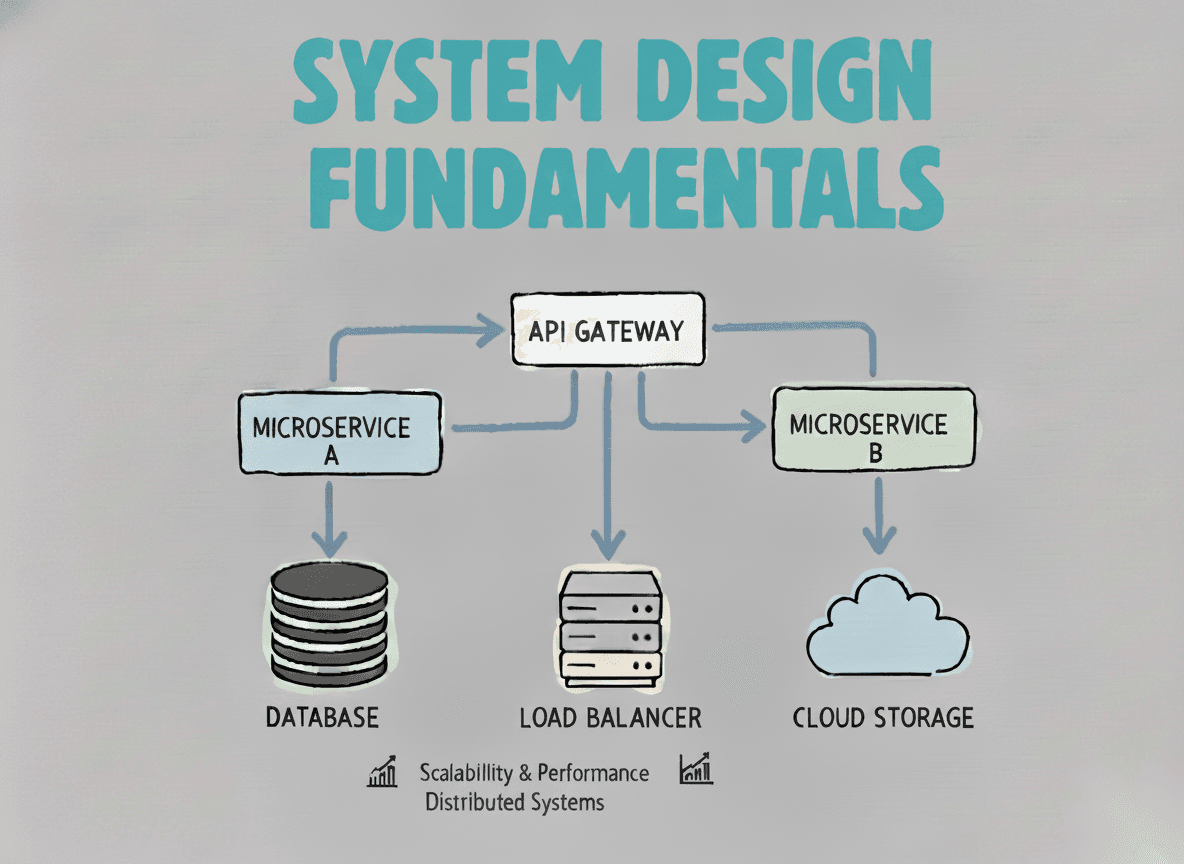
System Design Fundamentals
Build a strong foundation in designing scalable, reliable distributed systems.
View the courseSystem Design practice on Codemia
Work through 120+ system design problems with detailed solutions, from rate limiters to multi-region storage.