Calling async method from sync method is ASP .NET web api - issue
System Design practice on Codemia
Work through 120+ system design problems with detailed solutions, from rate limiters to multi-region storage.
Understanding the Issue of Calling Async Methods from Sync Methods in ASP.NET Web API
In ASP.NET Web API, asynchronous programming is crucial for building scalable, high-performance web applications. However, a common pitfall developers encounter is trying to call async methods from synchronous methods. This can lead to unexpected behaviors, deadlocks, and performance issues. This article explores why this is problematic and presents strategies to avoid and resolve these issues.
The Problem with Mixing Async and Sync
When working with asynchronous programming in .NET, particularly with the `async` and `await` keywords, it’s critical to understand how the synchronization context works. The issue arises when an async method is called and awaited within a synchronous context.
Technical Explanation
In .NET, async methods are designed to work within an asynchronous context, meaning they can release the thread to do other work while waiting for the operation to complete. When you invoke an async method from a synchronous method like this:
- State Management: Always be cautious of shared state when working asynchronously, as concurrent operations may lead to race conditions.
- Testing Asynchronous Code: Consider using libraries such as `Moq` and `NUnit` or `xUnit` to effectively test asynchronous methods.
- Library Design: If you’re designing libraries that may be used in a variety of contexts, prefer async methods and consider exposing both sync and async versions if needed.
Related reading
- Calling external services (Rest api)/database CRUD operations within Orleans Grain
- Camera access through browser
- Can a client program have a server socket to communicate to other client programs?
- Can a Tensorflow variable be trained using the Tensorflow Keras functional API model? Can a Tensorflow operation be used in the functional API Model?
- Calling async method on button click
- Calling async method synchronously
- Calling async methods from non-async code
- Calling C async method from F results in a deadlock
System design interview problems on this topic
- Design a Load Balancer: solution and walkthrough
- Design a Domain Name System: solution and walkthrough
- Design a Global Content Distribution Network: solution and walkthrough
- Design an API Rate Limiter: solution and walkthrough
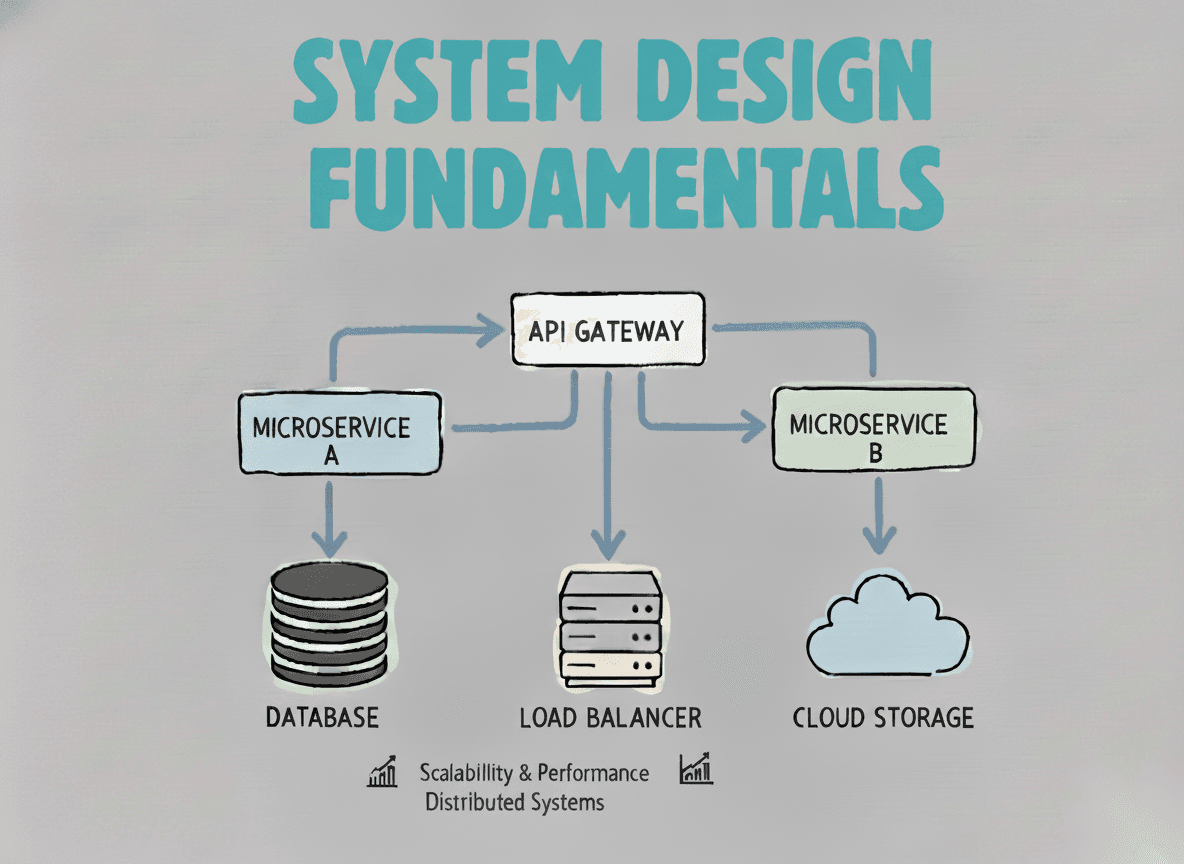
System Design Fundamentals
Build a strong foundation in designing scalable, reliable distributed systems.
View the courseSystem Design practice on Codemia
Work through 120+ system design problems with detailed solutions, from rate limiters to multi-region storage.