Can I use local SSDs on GKE for fast, temporary storage within a pod?
System Design practice on Codemia
Work through 120+ system design problems with detailed solutions, from rate limiters to multi-region storage.
Google Kubernetes Engine (GKE) offers a robust platform for deploying, managing, and scaling containerized applications using Kubernetes. One pertinent feature that developers often explore is the use of local SSDs for fast, temporary storage within pods. This article discusses how to leverage local SSDs on GKE, the technical nuances involved, and the potential use cases where this approach is beneficial.
Local SSDs on GKE
Google Cloud Local SSDs provide high-performance storage that is directly attached to the instance hosting your pod. Due to its local nature, this type of storage offers low-latency, high-throughput, and cost-effective temporary storage, making it an attractive choice for workloads that require fast data processing.
Key Characteristics
- High Performance: Local SSDs provide high input/output operations per second (IOPS) and low latency, suitable for high-performance applications.
- Ephemeral Nature: The data stored in local SSDs is not preserved when the instance is stopped or restarted. Thus, they are ideal for temporary storage needs.
- Zonal Availability: Local SSDs are specific to a zone, thus not suitable for replicating data or offering redundancy.
Using Local SSDs in GKE Pods
To use local SSDs in GKE, follow these basic steps:
- Provision a Node Pool with Local SSDs: When creating a node pool, you can specify the size and number of local SSDs attached to each node. This is accomplished by using the `gcloud` command-line tool:
- matchExpressions:
- key: cloud.google.com/gke-local-ssd
- "true"
- name: example-container
- name: local-ssd
- Caching: Leveraging the high throughput of local SSDs to cache frequently accessed data can significantly boost performance in data-heavy applications.
- Data Processing: Tasks such as big data processing or video encoding can greatly benefit from fast storage access, using local SSDs for temporary storage of intermediate results.
- CI/CD Pipelines: Given their ephemeral nature, local SSDs can serve as a temporary workspace for build and test phases in CI/CD workflows.
- Data `Loss` on Node Failures: Since local SSDs are tied to the physical machine, any hardware failure or node restart results in data loss. Implementing application-level data resilience is crucial.
- No Zonal Redundancy: Unlike persistent disks, data stored in local SSDs is confined to a single zone, limiting failover capabilities.
Related reading
- Can Kubernetes be used like Docker Compose?
- Can not delete pods in Kubernetes
- Can not override replicas of deployment k8s
- can two kubernetes volumes mount to the same place
- Can I use PouchDB with Dynamo on the back instead of Couch?
- Can I write to an AWS MSK Kafka cluster from a Lambda function?
- Can we get Persistent Volume with only PVC without PV in k8s?
- Can we have same kind of multiple containers in a Pod in Kubernetes?
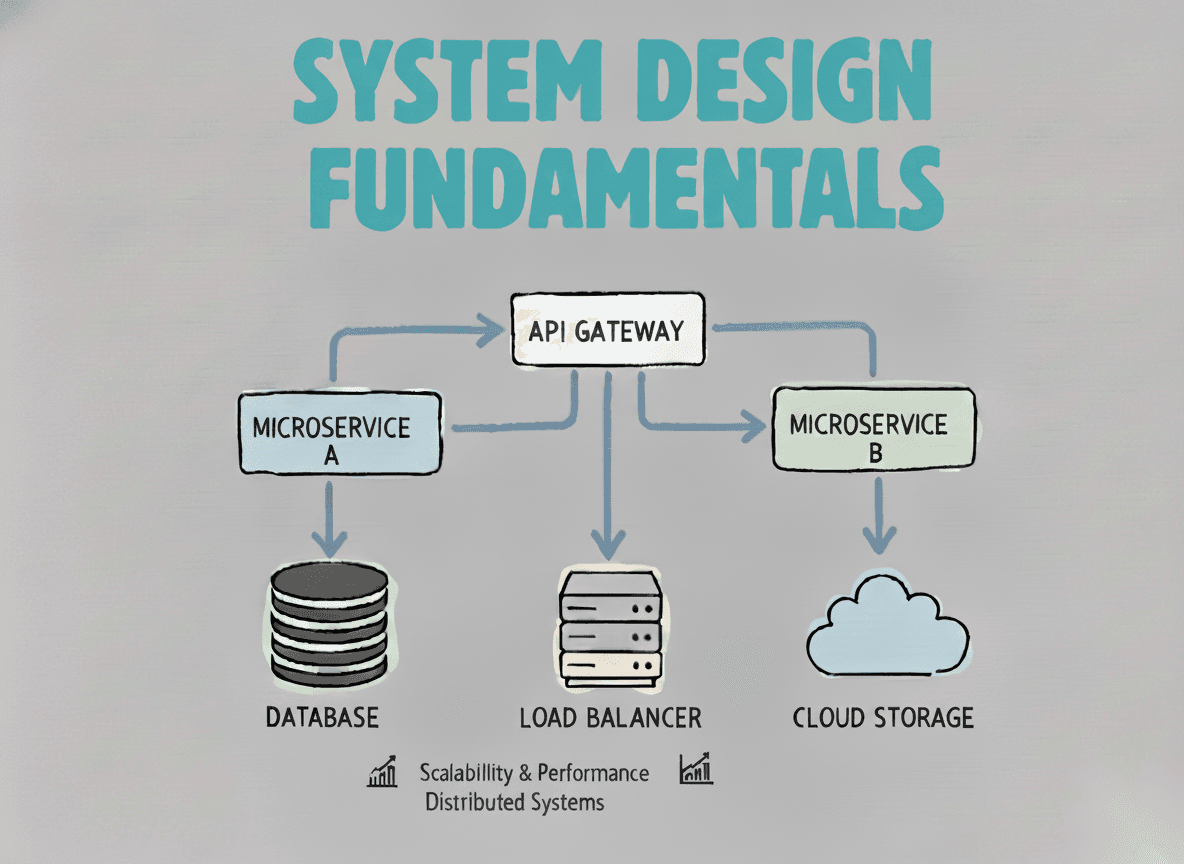
System Design Fundamentals
Build a strong foundation in designing scalable, reliable distributed systems.
View the courseSystem Design practice on Codemia
Work through 120+ system design problems with detailed solutions, from rate limiters to multi-region storage.