EntityType has no key defined error
System Design practice on Codemia
Work through 120+ system design problems with detailed solutions, from rate limiters to multi-region storage.
In software development, particularly when working with Entity Framework in .NET, developers often encounter various types of errors related to the configuration and schema definitions of their models. One such error is the "EntityType has no key defined," which typically occurs during the initialization of the model and can prevent the successful creation of a database.
Understanding the Error
When using Entity Framework, an ORM (Object-Relational Mapping) framework for .NET, you define classes that map to database tables. Each class (referred to as an Entity Type) should have a primary key defined, which uniquely identifies each record in that table. If Entity Framework cannot find a defined key within an entity model, it raises the "EntityType has no key defined" error.
Causes of the Error
There are several common causes for this error:
- Missing Key Attribute or Convention: The class representing the entity might be missing a key declaration. By convention, Entity Framework expects the primary key to be a property named
Idor a combination of the class name followed byId. If this is not present, and no other decoration or configuration specifies a key, the error will occur. - Configuration via Fluent API: If you're using Entity Framework's Fluent API to configure your entities, you may not have defined a key explicitly using the
.HasKey()method. - Composite Key Definition: Entity Framework supports composite keys but requires explicit configuration either through data annotations or the Fluent API. Lack of this explicit configuration will result in the error.
- Excluded Property: Sometimes the property meant to be the key is excluded from the model binding accidentally, often through
[NotMapped]attribute or similar configurations.
Examples
Example 1: Missing Key Convention
Consider an entity class like the following without an explicit key definition:
- Check Naming Conventions: Rename the primary key property to follow conventional defaults such as
Idor ``<EntityName>Id. - Data Annotations: Use data annotations to explicitly declare a primary key:
- Fluent API: When using the Fluent API, define the key explicitly:
- Composite Keys: Ensure that any composite keys are fully defined using either data annotations or the Fluent API.
Related reading
- Equivalent of varcharmax in MySQL?
- Erasing elements in stdvector by using indexes
- Error - The transaction associated with the current connection has completed but has not been disposed
- Error 1022 - Can't write; duplicate key in table
- Enum type constraints in C
- Enumerating through an object's properties string in C
- Envoy proxy is using too much memory
- epmd error for host myhost address (cannot connect to host/port) on windows 10
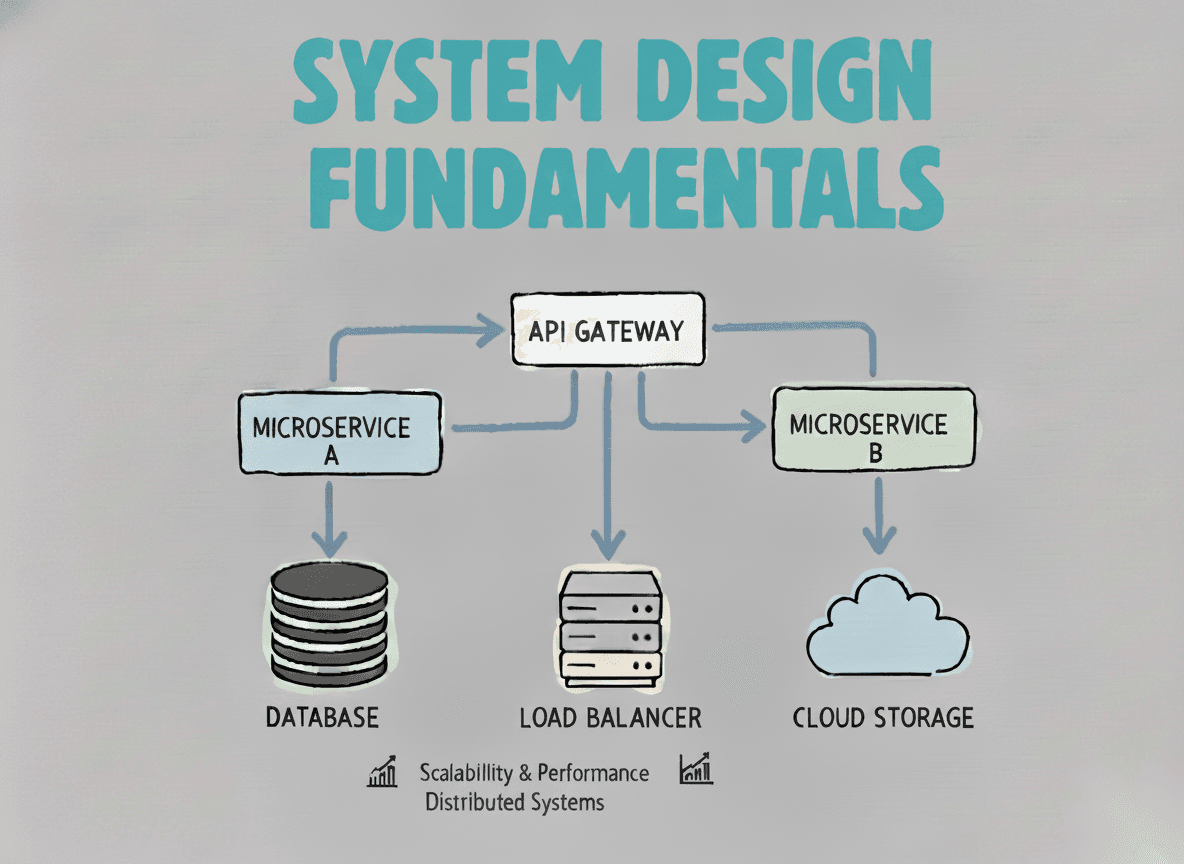
System Design Fundamentals
Build a strong foundation in designing scalable, reliable distributed systems.
View the courseSystem Design practice on Codemia
Work through 120+ system design problems with detailed solutions, from rate limiters to multi-region storage.