How can I publish to a MQTT topic in a Amazon AWS Lambda function?
System Design practice on Codemia
Work through 120+ system design problems with detailed solutions, from rate limiters to multi-region storage.
Publishing to an MQTT topic using an Amazon AWS Lambda function is a viable solution for integrating with IoT devices or automating serverless workflows. AWS IoT Core offers a managed MQTT broker, which makes communicating through MQTT with Lambda an efficient and scalable choice. This guide will walk you through the process of publishing to an MQTT topic from a Lambda function, illustrating the technical steps and offering practical examples.
Prerequisites
- AWS Account: Ensure you have access to an AWS account with permissions to create and manage Lambda functions and IoT resources.
- AWS CLI and AWS SDK: Make sure you have the AWS CLI installed and configured, along with the AWS SDK for the programming language you choose for your Lambda function.
- Node.js Environment (Optional): If you prefer using JavaScript/Node.js for Lambda, ensure your local environment supports it.
Step-by-Step Process
1. Create an IAM Role for Lambda
Create a role with the necessary permissions for Lambda to interact with AWS IoT Core:
- Go to the IAM Service in AWS.
- Create a new role.
- Select AWS service as trusted entity and choose "Lambda".
- Attach policies like `AWSIoTDataAccess` and `AWSLambdaBasicExecutionRole`.
- Name your role appropriately (e.g., `lambda_iot_role`).
2. Create the Lambda Function
Set up a Lambda function that uses the role created above. Here's an example using Node.js:
- IoT Endpoint: Find your IoT endpoint in AWS IoT Core console under "Settings".
- Configure a test event in the Lambda console.
- Invoke the test and observe logs and MQTT message delivery.
- Use the AWS Management Console to set up your MQTT topic rules.
- Configure rules for further processing if needed (e.g., store messages in DynamoDB or forward to another service).
Related reading
- How can I quickly and effectively debug CloudFormation templates?
- How can I re-download the pem file in AWS EC2?
- How can I read an AWS S3 File with Java?
- How can I resolve the error The security token included in the request is invalid when running aws iam upload-server-certificate?
- How can I retrieve a user's public IP address via Amazon API Gateway Lambda node
- How can I return the result of a mapreduce operation to an AWS API request
- How can I Scan an index in reverse in DynamoDB?
- How can I securely download a private S3 asset onto a new EC2 instance with cloudinit?
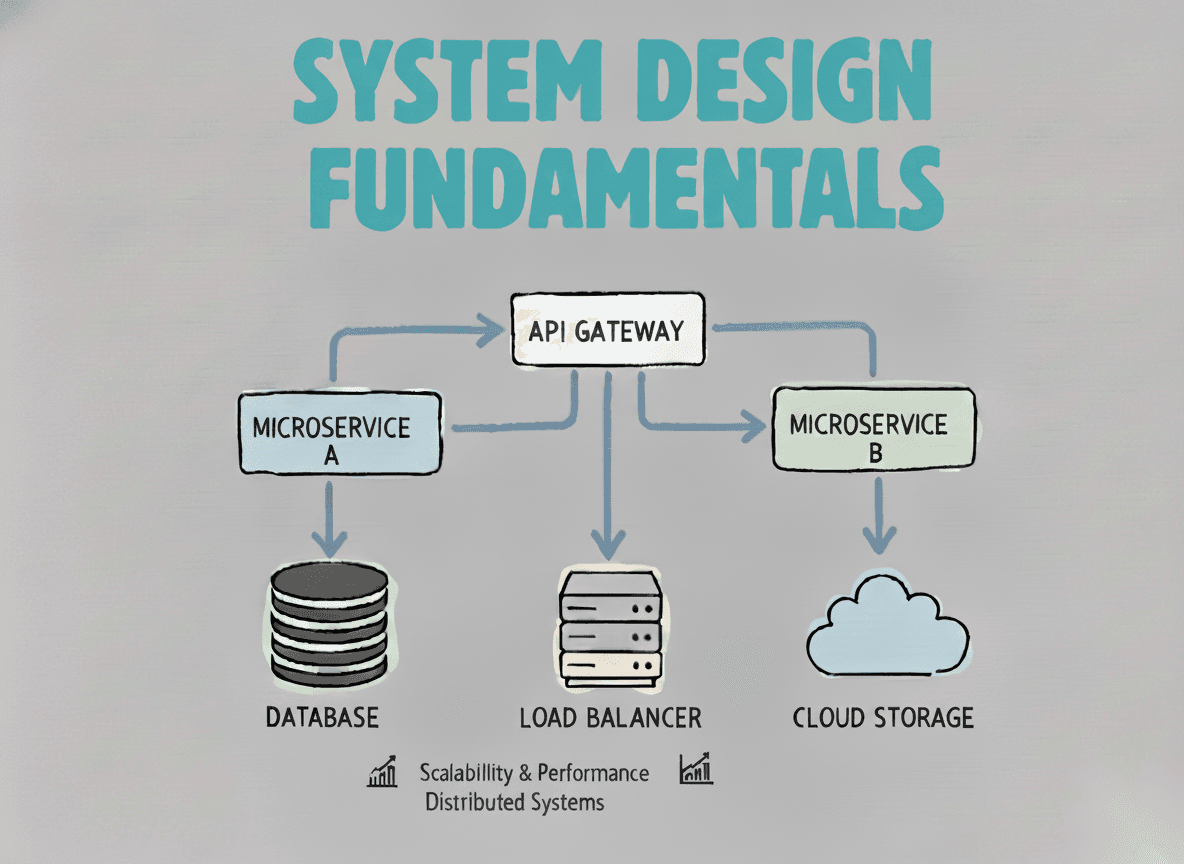
System Design Fundamentals
Build a strong foundation in designing scalable, reliable distributed systems.
View the courseSystem Design practice on Codemia
Work through 120+ system design problems with detailed solutions, from rate limiters to multi-region storage.