How do synchronized static methods work in Java and can I use it for loading Hibernate entities?
System Design practice on Codemia
Work through 120+ system design problems with detailed solutions, from rate limiters to multi-region storage.
Understanding Synchronized Static Methods in Java
Java, a language designed for concurrent programming, provides mechanisms to restrict access to shared resources, ensuring that code runs smoothly without concurrency issues. A synchronized method in Java is one such mechanism which ensures that only one thread can access a method at a time. When applied to static methods, which belong to the class itself rather than an instance, synchronization takes on a slightly different dimension. Let's dive into how synchronized static methods work and explore their relevance in loading Hibernate entities.
Synchronized Static Methods
A static method belongs to the class, not specific instances, meaning it can be called without creating an instance of the class. When a static method is marked as synchronized, it locks the Class object associated with the class, ensuring that only one thread can execute the method at a time across all instances of the class. Here is the syntax for a synchronized static method:
How it Works
- Lock Acquisition: When a thread calls a synchronized static method, it locks the
Classobject associated with the class. This is in contrast to synchronized instance methods, which lock the object on which they are called. - Execution: While a thread holds the lock on the
Classobject, no other thread can execute any synchronized static methods of that class. - Lock Release: Once the thread completes execution of the synchronized method or if it exits due to an exception, the lock on the
Classobject is released.
Example Use Case
To better understand how this works, consider the following example:
In this Counter class, the increment method is declared as synchronized. If multiple threads are trying to increment the count, only one thread at a time can execute the increment method, ensuring synchronized access to the shared resource count.
Using Synchronized Static Methods with Hibernate
Hibernate is a popular ORM framework for Java, simplifying database interactions by mapping Java objects to database entities. When working with Hibernate, concurrency should be carefully managed especially when loading or modifying entities in a multi-threaded environment.
Loading Entities with Synchronized Static Methods
While synchronized static methods can technically be used to control concurrent access during entity loading, it is not always advisable to rely solely on this mechanism for Hibernate operations. Data consistency and database-level constraints should primarily be managed via transactions and isolation levels. However, if specific initialization or configuration steps need restriction to a single thread, synchronized static methods can be employed.
Example:
In this example, the getSessionFactory method is synchronized to ensure that the SessionFactory is initialized by only one thread.
Considerations for Using Synchronized Static Methods
- Scope of Synchronization: Static method synchronization locks the entire class (
Classobject) and affects all instances. Consider the impact of this scope on application performance. - Alternatives: Consider alternative synchronization mechanisms like
ReentrantLockfor more flexible synchronization. - Database Transactions: Use transactions to ensure data consistency. Relying on method synchronization alone is insufficient for managing database-level concurrency.
Conclusion
Synchronized static methods in Java provide a thread-safe mechanism at the class level but should be used judiciously, especially in Hibernate, where transactions and proper session management take precedence. Understanding the implications of locking at the class object level is crucial for designing efficient and effective multi-threaded applications.
Key Differences and Considerations
| Aspect | Synchronized Static Methods | Synchronized Instance Methods |
| Locking Mechanism | Locks the Class object | Locks the instance object |
| Scope | Affects all instances and accesses to the class | Affects only the specific instance |
| Use case | Shared resource across all instances (e.g., configuration) | Instance-specific data modifications |
| Hibernate Implications | Useful for singleton setup May not suit per-object lifecycle | Often not used directly for entity lifecycle Managed through sessions |
Utilizing synchronized static methods can be beneficial but should be considered alongside other Java concurrency tools and database management practices to ensure robust and efficient multi-threaded applications.
Related reading
- How do synchronized static methods work in Java and can I use it for loading Hibernate entities?
- How do we count rows using older versions of Hibernate 2009?
- How do you call the data model of DynamoDB and Cassandra?
- How do you check if the client for a MongoDB instance is valid?
- How do threads work in Python, and what are common Python-threading specific pitfalls?
- How do two or more threads share memory on the heap that they have allocated?
- How do we define kafka request.timeout.ms property in spring kafka properties file
- How do you cast a List of supertypes to a List of subtypes?
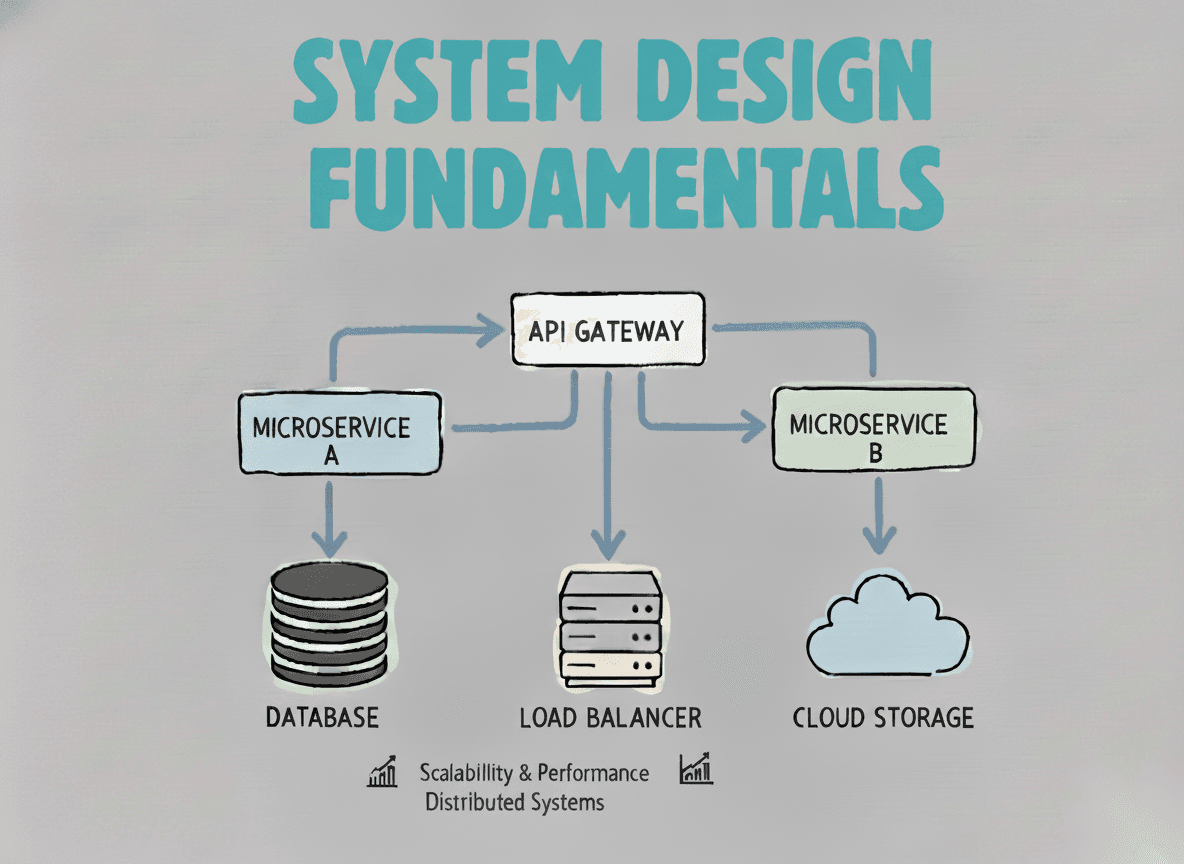
System Design Fundamentals
Build a strong foundation in designing scalable, reliable distributed systems.
View the courseSystem Design practice on Codemia
Work through 120+ system design problems with detailed solutions, from rate limiters to multi-region storage.