How does one transfer CUDA constant memory in tensorflow's C API
ML System Design practice on Codemia
Design recommenders, ranking systems and training pipelines the way ML interviews actually ask for them, with worked solutions.
Introduction
TensorFlow's public C API lets you create tensors, load graphs, and run sessions, but it does not expose a special primitive for copying data directly into CUDA constant memory. If you need CUDA constant memory, the usual design is to implement it inside a custom GPU op or CUDA kernel, while the C API continues to pass ordinary tensors into the TensorFlow runtime.
What the C API Actually Gives You
The TensorFlow C API is intentionally narrow. It is designed around graph execution, tensors, sessions, and status objects. From that API, you can feed tensors into a graph and fetch outputs, but you do not get direct control over low-level CUDA memory spaces such as constant memory, shared memory, or manual kernel launches.
That means the practical answer is:
- use the C API to feed normal tensors
- handle CUDA constant memory inside custom op implementation code
- do not expect a public
TF_...function that copies bytes straight into a CUDA__constant__symbol
Feed a Normal Tensor Through the C API
The C API side of the problem still looks like normal tensor feeding.
This is the level at which the C API operates. It deals with TensorFlow tensors, not with explicit CUDA constant-memory symbols.
Where Constant Memory Belongs
CUDA constant memory is a GPU-kernel detail. If you really need it, the transfer normally happens inside custom GPU code such as a TensorFlow custom op or a kernel launcher used by that op.
A simplified CUDA example looks like this:
That code belongs in the GPU implementation layer, not in the public TensorFlow C API layer.
Typical Architecture
The usual architecture is:
- C API creates or feeds a TensorFlow tensor.
- TensorFlow executes a graph that includes a custom GPU op.
- The custom op's CUDA implementation decides whether to stage some small read-only values in constant memory.
In other words, the C API hands data to TensorFlow. The kernel implementation decides how device memory is organized internally.
When Constant Memory Is Actually Worth It
CUDA constant memory is small and read-only. It is most useful when:
- the data is tiny
- many threads read the same values
- the values do not change often
If the data is larger, changes frequently, or is not broadcast-friendly, normal tensor access patterns may be the better choice anyway.
That is important because sometimes the right answer is not "find a constant-memory transfer call." Sometimes the right answer is "do not use constant memory here."
Common Pitfalls
The biggest mistake is assuming the TensorFlow C API exposes every CUDA-level memory control surface. It does not.
Another issue is trying to design constant memory as if TensorFlow tensors and CUDA constant symbols were the same abstraction. They are not.
A third problem is choosing constant memory without first checking whether the access pattern and data size actually justify it.
Summary
- The public TensorFlow C API does not provide a direct constant-memory transfer primitive.
- Use the C API to feed normal tensors into TensorFlow.
- Handle CUDA constant memory inside a custom GPU op or CUDA kernel implementation.
- Constant memory is a kernel optimization detail, not a TensorFlow C API feature.
- Verify that your data size and access pattern actually fit constant-memory usage well.
Related reading
- How does one use Pytorch cuda with an A100 GPU?
- How does pytorch backprop through argmax?
- How does Pytorch's Fold and Unfold work?
- How does reduce_sum work in tensorflow?
- How does tensorflow batch_matmul work?
- How does Tensorflow build work from tf.keras.layers.Layer
- How does the 'Access-Control-Allow-Origin' header work?
- How is an HTTP POST request made in node.js?
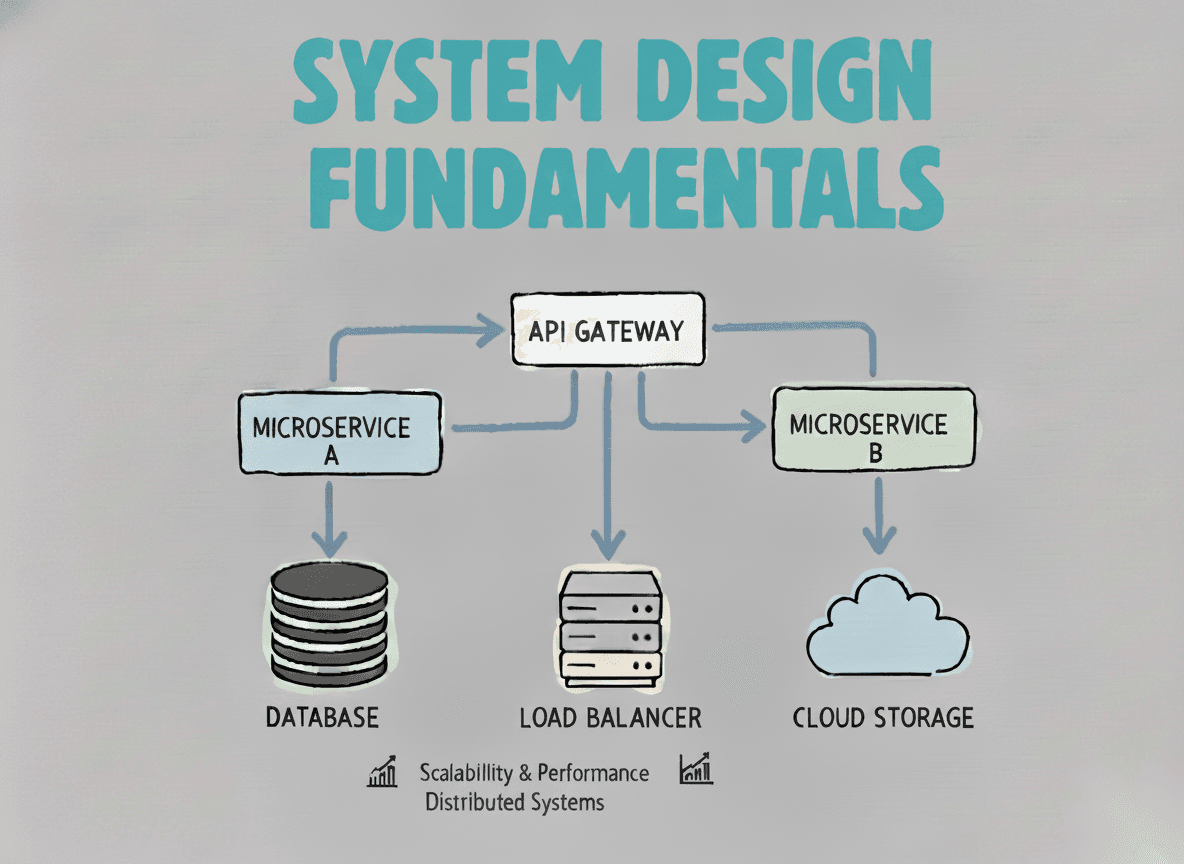
System Design Fundamentals
Build a strong foundation in designing scalable, reliable distributed systems.
View the courseTrack what you have practised
A free account saves your progress, solutions and study plan across every problem on Codemia.
ML System Design practice on Codemia
Design recommenders, ranking systems and training pipelines the way ML interviews actually ask for them, with worked solutions.