How to fix issue of 'Unable to connect to the server EOF' Kubernetes - Kubectl
System Design practice on Codemia
Work through 120+ system design problems with detailed solutions, from rate limiters to multi-region storage.
When working with Kubernetes, utilizing `kubectl`, the command-line tool for controlling Kubernetes clusters, is integral to administrative tasks. However, one of the common errors users encounter during its operation is the "Unable to connect to the server: EOF" error. This article provides a detailed examination of potential reasons for this error and the steps to resolve it.
Understanding the 'EOF' Error
The "EOF" error indicates that `kubectl` was unable to establish a connection with the Kubernetes API server, and the connection attempt ended unexpectedly. EOF stands for "End Of File" and in this context, it implies that something terminated the attempt prematurely. Let's delve into possible reasons and their solutions:
Common Causes and Solutions
1. Network Connectivity Issues
A frequent cause for the "EOF" error is network connectivity problems between `kubectl` and the Kubernetes API server.
- Check Network Configuration: Verify that there is network reachability from your machine to the Kubernetes server. You can use tools like `ping`, `traceroute`, or `curl` to diagnose connectivity.
- Verify Firewall Settings: Ensure that firewall rules or security groups (in cloud environments) are not blocking on the port the API server is listening to, typically 6443.
2. Incorrect API Server URL
An incorrect API server URL in your kubeconfig file will prevent a connection from being established.
- Inspect Kubeconfig: Check the `~/.kube/config` file for the `server` field under your current context. Ensure it matches the correct endpoint for your cluster.
Example of a kubeconfig file segment:
- cluster:
- Review Certificate Information: Check the expiry date and validity of the certificates configured in the kubeconfig file. If expired or incorrect, you may need to refresh them or recreate the cluster credentials.
- Update Authentication Tokens: If using a client certificate or access token, ensure it has not expired. For cloud environments, re-authenticate if necessary, by refreshing tokens or leveraging your provider’s CLI.
- Check the API Server Status: Access the control plane node to validate the server's operational status. System logs (`journalctl -xe -u kube-apiserver`) or Kubernetes logs might give insight into potential issues.
- Cluster Resource Analysis: Assess resource utilization (CPU, memory) on the control plane nodes using monitoring tools like Prometheus or the `top` tool within Kubernetes.
- Transition to Cloud-Native Solutions: If custom clusters frequently exhibit issues, consider shifting to managed Kubernetes services like AWS EKS, Google GKE, or Azure AKS, where the provider handles networking and certificate management.
- Regular Maintenance: Regularly update Kubernetes components and revoke or renew certificates proactively to reduce downtime risks.
Related reading
- How to fix The kubelet is unhealthy due to a misconfiguration of the node in some way required cgroups disabled error
- How to fix VM issue with minikube start ?
- How to force a redeploy with HELM
- How to force delete a Kubernetes Namespace?
- HOW TO FIX IT? AttributeError module 'keras.preprocessing.image' has no attribute 'load_img
- How to fix java.io.NotSerializableException org.apache.kafka.clients.consumer.ConsumerRecord in Spark Streaming Kafka Consumer?
- How to force delete resources in a non-existant namespace?
- How to force SSL for Kubernetes Ingress on GKE
System design interview problems on this topic
- Design a Container Orchestration System: solution and walkthrough
- Design a Code Deployment System: solution and walkthrough
- Design a Task Scheduler: solution and walkthrough
- Design a GPU Cluster Scheduler for ML Training: solution and walkthrough
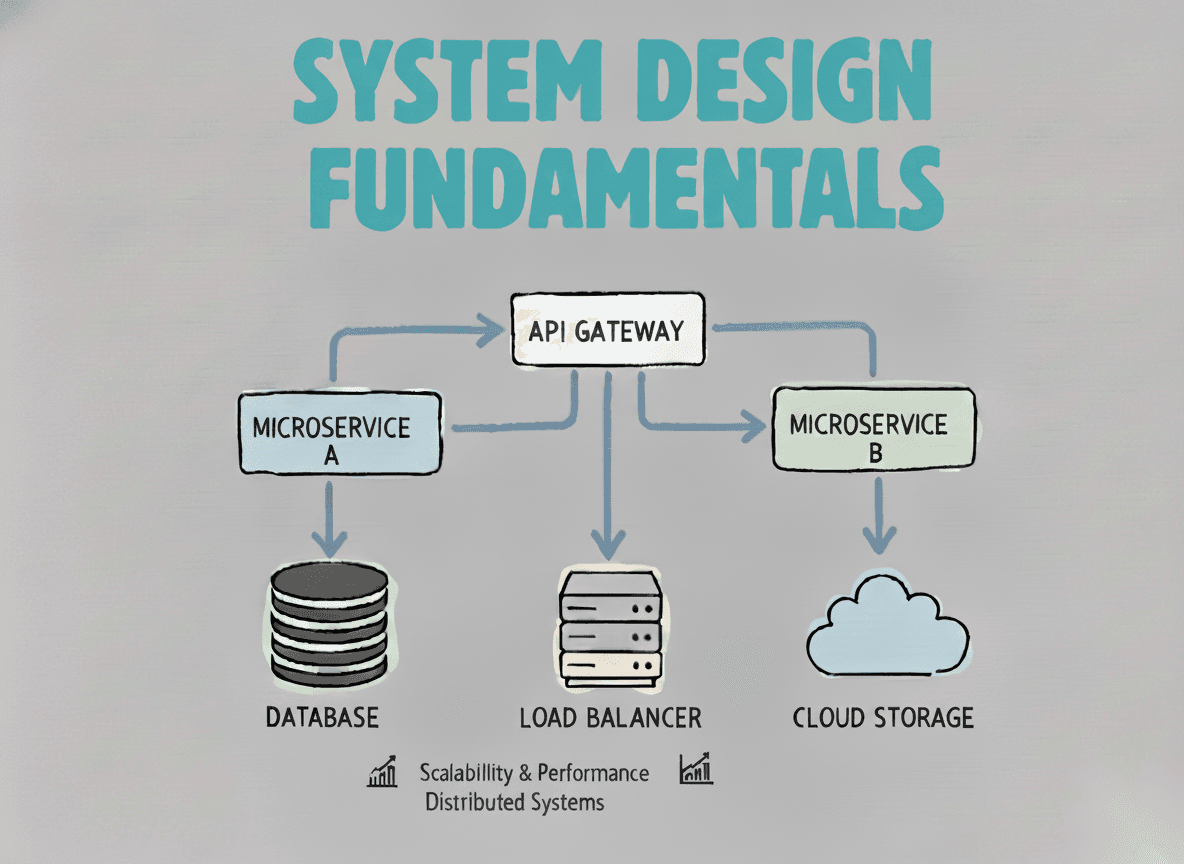
System Design Fundamentals
Build a strong foundation in designing scalable, reliable distributed systems.
View the courseSystem Design practice on Codemia
Work through 120+ system design problems with detailed solutions, from rate limiters to multi-region storage.