How to set proxy on spring oauth2 OAuth2AccessToken request or How to override OAuth2AccessTokenSupport restTemplate variable?
System Design practice on Codemia
Work through 120+ system design problems with detailed solutions, from rate limiters to multi-region storage.
Introduction
OAuth token requests often bypass normal API client configuration, so teams discover too late that proxy settings were never applied to the token endpoint. In enterprise networks, that usually causes timeouts during authentication while other calls appear healthy.
The fix is to provide a token client that uses a request factory with an explicit proxy. Then wire that token client into your OAuth flow so both token and resource requests follow the same network path.
When this is configured centrally, you avoid fragile per-service workarounds and can rotate proxy settings from one place.
Core Sections
Understand the failure mode
Most short answers for this topic solve the immediate symptom but skip the reason the symptom appears. In production code, that leads to fragile fixes that pass one test and fail in the next environment. Start by naming the exact boundary where data or control flow changes, because that boundary is usually where the issue is introduced.
Write down one expected input and one expected output before you change implementation details. This step turns a vague debugging session into a deterministic check you can run repeatedly. It also gives teammates a compact description of the behavior you are trying to preserve.
Apply a repeatable implementation pattern
A strong implementation pattern does two things at once. It addresses the current bug and creates a stable shape that future contributors can follow. Keep configuration values explicit, avoid hidden global state, and choose function boundaries that are easy to test independently.
The first example demonstrates a minimal baseline that can run locally and in automation. Keep setup small enough that another engineer can read it in one pass. If setup requires too many assumptions, split the workflow into helper functions and keep side effects near the edges.
Validate with a smoke test
After implementation, run a small smoke test that covers the critical path end to end. A smoke test does not replace full coverage, but it quickly confirms that integration points still behave as expected. Focus on one representative success case first, then add targeted failure assertions.
When this check passes in a clean environment, run it again using the same invocation your continuous integration pipeline uses. Matching local and pipeline execution reduces configuration drift and prevents regressions that only appear after merge.
Make the fix maintainable
Treat this change as part of a long-lived codebase, not a one-time script. Add short comments where behavior is surprising, keep naming direct, and prefer explicit failures over silent fallbacks. Maintenance cost drops when failure messages tell developers what to fix.
Document assumptions next to the code, such as branch names, endpoint URLs, expected input shape, or threading model. Clear assumptions make future upgrades safer because reviewers can quickly verify what still holds and what needs revision.
Common Pitfalls
- Configuring proxy only on business API clients leaves token calls unproxied.
- Using different timeout policies for token and resource calls causes inconsistent failure behavior.
- Hardcoding proxy credentials in source code creates security and rotation problems.
- Ignoring proxy TLS interception requirements can break handshake unexpectedly.
- Not logging token endpoint host and route details makes network debugging slower.
Summary
- Apply proxy settings to the OAuth token client, not only resource clients.
- Use a shared request factory with explicit timeouts.
- Wire custom token response client into Spring Security OAuth flow.
- Keep proxy credentials externalized and rotatable.
- Add route-aware logging for faster authentication troubleshooting.
Related reading
- How to set rate limit for each user in Spring Boot?
- How to set respond header values in Spring Boot rest service method?
- How to set the Content-Type header for an HttpClient request?
- How to set timeout in Retrofit library?
- How to set secodary key for kubernetes ingress basic-auth
- How to set up an OAuth2 Authentication Provider with AWS API Gateway?
- How to set selected item of Spinner by value, not by position?
- How to set specific Java version to Maven?
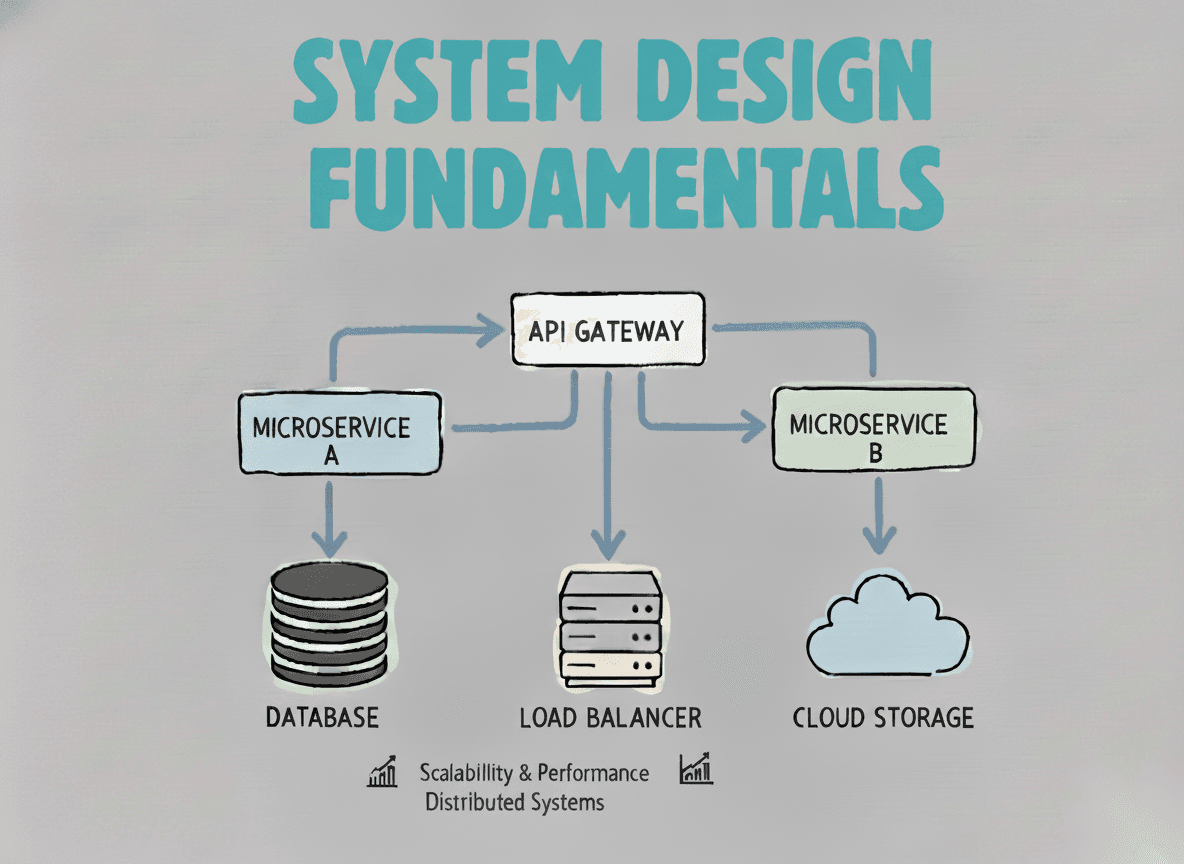
System Design Fundamentals
Build a strong foundation in designing scalable, reliable distributed systems.
View the courseTrack what you have practised
A free account saves your progress, solutions and study plan across every problem on Codemia.
System Design practice on Codemia
Work through 120+ system design problems with detailed solutions, from rate limiters to multi-region storage.