Kubernetes pods failing on Pod sandbox changed, it will be killed and re-created
System Design practice on Codemia
Work through 120+ system design problems with detailed solutions, from rate limiters to multi-region storage.
Introduction
Kubernetes (K8s), an open-source platform for container orchestration, is widely used for automating deployment, scaling, and operations of application containers across clusters of hosts. A common issue encountered by Kubernetes users is Pods failing with the message: "Pod sandbox changed, it will be killed and re-created". This article explores this error message, diving into the technical underpinnings, causes, and potential resolutions.
Understanding the Issue
In Kubernetes, a Pod is the smallest deployable unit that can be created, managed, and scheduled. A Pod is a group of one or more containers with shared storage/network and a specification on how to run the containers. The sandbox for a Pod refers to an isolated environment where the Pod's containers execute. When the error "Pod sandbox changed, it will be killed and re-created" occurs, it indicates that the sandboxes associated with the Pod's containers have been altered unexpectedly.
This message is typically a result of issues related to the container runtime, network plugins, or node instability. Below, we provide insights into the factors that contribute to this error and potential remediation steps.
Key Reasons for Pod Sandbox Issues
- Container Runtime Problems:
- The container runtime, like Docker, CRI-O, or containerd, might face issues causing discrepancies in the sandbox environment. This can be due to runtime bugs or incompatibility issues.
- Network Plugin Issues:
- Network plugins, responsible for managing the networking aspects of the Pod, can also cause changes in the sandbox if reconfigurations occur.
- Node Instabilities:
- Instabilities in the nodes hosting the Pods, such as memory exhaustion, CPU throttling, or disk pressure, may lead to sandbox disruptions.
- Kubernetes Version Changes:
- Updates or patches to Kubernetes might alter the core components resulting in incompatibility with certain container runtimes or network plugins.
- Configuration Changes:
- Manual changes to configuration files or applying incompatible resource limits can induce sandbox resets.
Remediation Strategies
To address and mitigate this issue effectively, consider the following strategies:
- Monitoring and Logging:
- Utilize Kubernetes-native tools like Prometheus or ELK Stack to monitor cluster health and analyze logs. Look for red flags associated with the kubelet or container runtime logs.
- Container Runtime Update:
- Ensure that the container runtime is up-to-date. Verify compatibility with the current Kubernetes version being used. Applying patches or updates can often resolve sandbox issues.
- Network Diagnostics:
- Check the configuration and status of network plugins (e.g., Flannel, Calico). Use diagnostic tools and ensure the network policies are correctly configured.
- Node Resource Allocations:
- Examine nodes for resource pressure. Allocating sufficient CPU and memory resources, ensuring node is right-sized, and monitoring resource usage can mitigate unexpected behavior.
- Review Recent Changes:
- Revisit recent configurations or deployment changes in the cluster that may have triggered the issue. Reverting or reapplying changes mindfully can help identify the root cause.
Key Insights
Below is a table summarizing the key points regarding Pod sandbox failures and possible actions:
| Issue Source | Example Scenarios | Recommended Actions |
| Container Runtime | Bugs or corruption in Docker, CRI-O, containerd | Check runtime logs, update runtime |
| Network Plugins | Incompatible changes or misconfigurations in Flannel, Calico | Validate network settings, update plugins |
| Node Instabilities | Memory/CPU pressure, disk space issues | Monitor resources, optimize allocations |
| Kubernetes Upgrades | Post-upgrade incompatibility | Verify compatibility matrix, test deployments |
| Configuration Changes | Manual or automated changes leading to incompatibility | Review and rollback if needed |
Conclusion
"Pod sandbox changed, it will be killed and re-created" can be a perplexing error that affects the stability of workloads running on a Kubernetes cluster. By exploring the potential causes and adapting the strategies discussed, Kubernetes administrators can better manage and mitigate this issue. Continuous monitoring, proactive updates, and considered infrastructure planning are key to maintaining a robust Kubernetes environment.
Related reading
- Kubernetes pods occasionally throw ImagePullBackOff or ErrImagePull
- Kubernetes Pods Terminated - Exit Code 137
- kubernetes PodSecurityPolicy set to runAsNonRoot, container has runAsNonRoot and image has non-numeric user appuser, cannot verify user is non-root
- Kubernetes port-forward for service object getting timed out
- Kubernetes Probes - What is the order in which they examine the pod?
- Kubernetes pull from multiple private docker registries
- Kubernetes Port Forwarding - Connection refused
- kubernetes, prompt freezes at port forward command
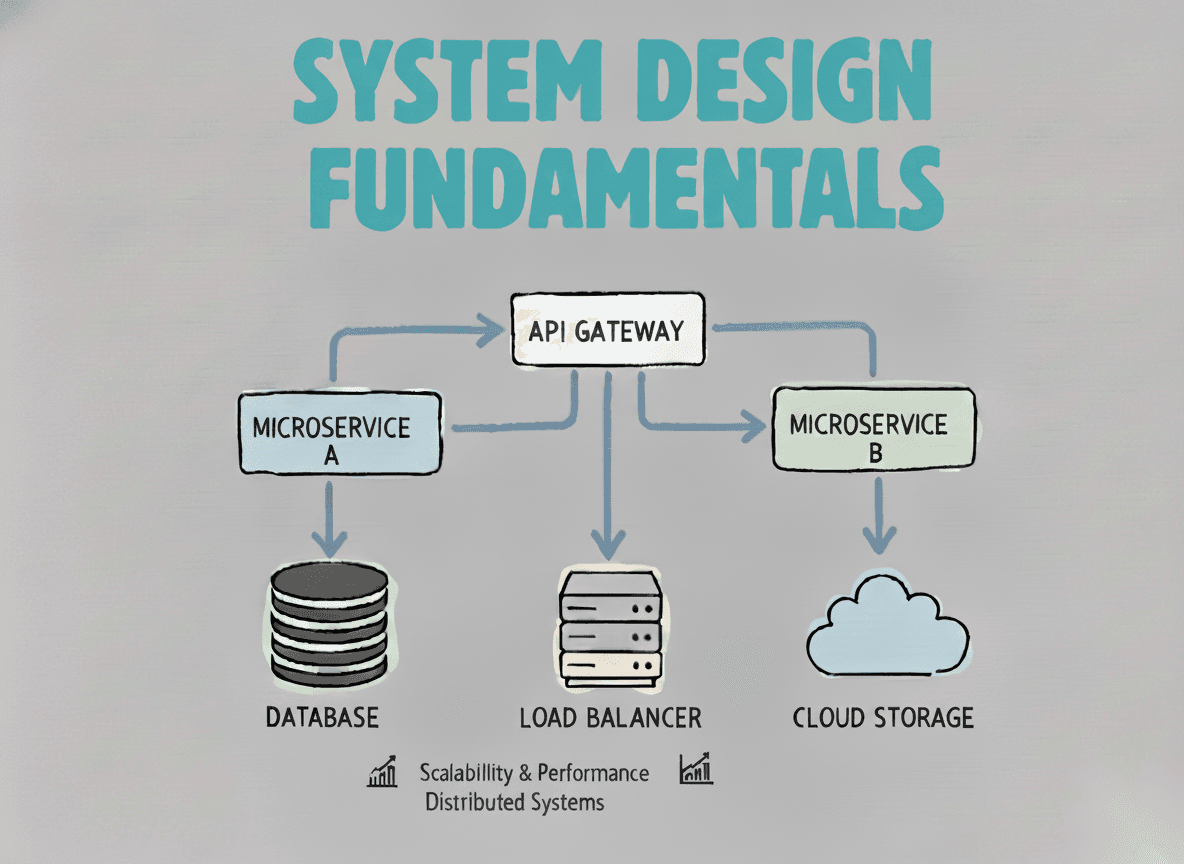
System Design Fundamentals
Build a strong foundation in designing scalable, reliable distributed systems.
View the courseSystem Design practice on Codemia
Work through 120+ system design problems with detailed solutions, from rate limiters to multi-region storage.