Can we distribute workloads to multiple OS within the same network in Incredibuild?
System Design practice on Codemia
Work through 120+ system design problems with detailed solutions, from rate limiters to multi-region storage.
Incredibuild is a software acceleration technology widely used to scale up software compilations, continuous integration, and development processes by distributing workload across multiple computers in a network. A common question that arises with Incredibuild is its ability to handle and distribute tasks across various operating systems (OS) within the same network. This capability has significant implications for multi-OS development environments, where different machines might be running different operating systems, such as Windows, Linux, or macOS.
Understanding Workload Distribution in Incredibuild
To distribute workloads effectively among different operating systems, Incredibuild utilizes a coordinator and agents. The coordinator orchestrates the process, designating tasks to available agents. Each agent installed on any machine within the network picks up tasks according to its availability and capability.
Cross-Platform Support in Incredibuild
Incredibuild supports cross-platform workload distribution, allowing Windows, Linux, and macOS machines to participate in the same distributed build process. This is particularly useful in environments where software is developed simultaneously for multiple platforms.
Multi-OS Distribution Mechanism
- Coordinator and Agent Model:
- The coordinator manages the process, allocating tasks to agents based on predefined rules and their current load.
- Agents execute the tasks and report back to the coordinator.
- Virtualization and Containerization:
- Windows Agents: When it comes to integrating Linux or macOS processes, Windows agents can utilize virtual machines or containers like Docker to replicate the non-Windows environment.
- Linux and macOS Agents: These can similarly run Windows-emulated environments if necessary to participate in the build processes.
- Scripting and Automation:
- Custom scripts can be employed to automate environment setup and task execution specifically tailored for the OS requirements of a given task.
Technical Example: Distributing Builds Across Multi-OS Network
Consider a software project where the application needs to be built for both Windows and Linux platforms. The development team uses Incredibuild installed on a network of mixed OS machines.
- Windows Build Workflow:
- The coordinator sends tasks to Windows agents, which might be performing compilations using MSBuild or similar tools.
- Some tasks are designated to Linux running on virtual machines hosted by Windows agents via Docker.
- Linux Build Workflow:
- Linux-specific tasks are routed to Linux agents directly or Windows-based agents running Linux containers.
- These tasks could involve using makefiles and GCC or other Linux-oriented build tools.
Key Points on Multi-OS Distribution with Incredibuild
| Feature | Description | Impact |
| Cross-Platform Compatibility | Works across Windows, Linux, and macOS. | Enables broad adoption in mixed-OS environments. |
| Virtualization Support | Allows emulation of different OS on a single machine. | Facilitates participation of any machine in the build process irrespective of its native OS. |
| Efficient Resource Utilization | Utilizes idle processing power across the network. | Enhances overall build speed and efficiency. |
| Customizability | Permits scripting and modifications. | Adapts to complex, diverse workflow needs. |
Enhanced Add-Ons and Integrations
In addition to core functionalities, Incredibuild can integrate seamlessly with various development tools and IDEs such as Visual Studio, CMake, or JetBrains CLion. These integrations allow developers to remain within their preferred environments while taking full advantage of distributed builds.
Conclusion
In conclusion, Incredibuild effectively supports distributing workloads across multiple operating systems within the same network, handling complex, multi-platform software development scenarios efficiently. This cross-platform capability allows not only for faster build times through resource optimization but also supports a more versatile development environment that can meet the demands of modern software engineering.
Related reading
- Can we get Persistent Volume with only PVC without PV in k8s?
- Can we have same kind of multiple containers in a Pod in Kubernetes?
- Can we restore to same dynamodb table from backup
- Can we set Strong Consistent Read on DynamoDB after creation
- Can we take a property of Map as a sort/range key be in DynamoDB
- Can we update DynamoDB GSI partition key?
- Can We use Multiple AWS ACM Certificates at Nginx-Ingress-Contoller OR Multiple ACM certificate at Ingress object level?
- Can we use the ES6 class syntax in AWS Lambda?
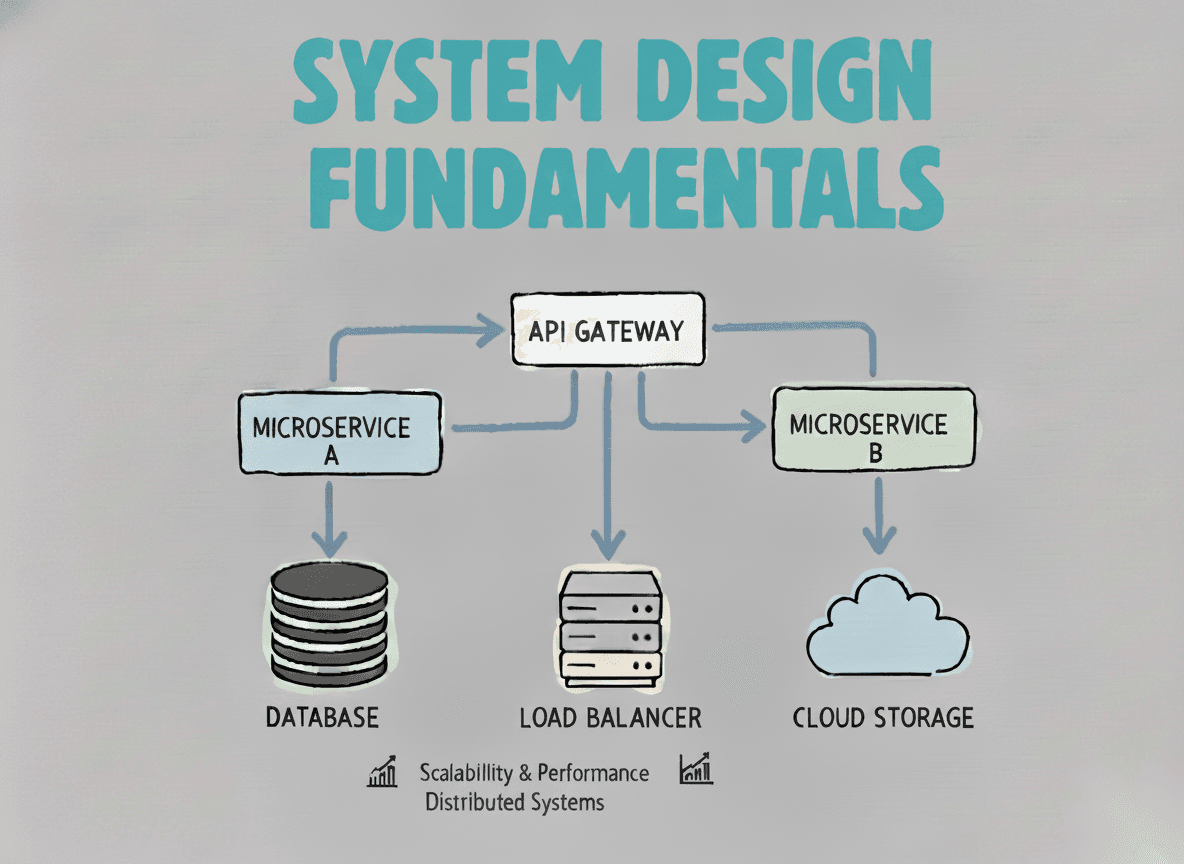
System Design Fundamentals
Build a strong foundation in designing scalable, reliable distributed systems.
View the courseTrack what you have practised
A free account saves your progress, solutions and study plan across every problem on Codemia.
System Design practice on Codemia
Work through 120+ system design problems with detailed solutions, from rate limiters to multi-region storage.