Can we have same kind of multiple containers in a Pod in Kubernetes?
System Design practice on Codemia
Work through 120+ system design problems with detailed solutions, from rate limiters to multi-region storage.
In Kubernetes, Pods are the smallest deployable units of computing that you can create and manage. They represent a single instance of a running process in a cluster and can contain one or more containers. A common question that arises is whether a Pod can contain multiple containers of the same kind. The answer is yes, and there are scenarios where having similar containers within the same Pod is advantageous.
Understanding Pods and Multi-Container Patterns
What is a Pod?
A Pod in Kubernetes is a collection of one or more containers that share the same network namespace and storage resources. Each Pod is designed to host a single application composed of tightly coupled containers.
Multi-Container Pod Patterns
While each Pod typically consists of a single container, certain use cases benefit from multi-container Pods. These patterns include:
- Sidecar Pattern: Augmenting the primary application container with additional functionalities, such as logging, monitoring, or networking.
- Adapter Pattern: Converting existing application behavior into another format. An example could be an adapter that modifies logs from one format to another.
- Ambassador Pattern: Offloading common tasks from the primary container to auxiliary containers. Examples include SSL termination or caching.
Multiple Containers of the Same Type
Occasionally, it makes sense to deploy multiple containers of the same type within a Pod. This might happen when you need to share resources, simplify configurations, or you have identical copies for redundancy and load-balancing purposes. However, Kubernetes' deployment model strongly encourages using Pods for logically grouped containers with symbiotic relationships over identical replication, which is typically handled through scaling of Pods across Nodes.
Technical Explanation and Example
Why Use Multiple Containers of the Same Type?
- Resource Sharing: Containers within a Pod can share storage volumes and network interfaces, simplifying data sharing and communication.
- Simplified Configuration: When containers require the same configuration, deploying them together reduces config management overhead.
- Reduced Latency: Containers within the same Pod can communicate quickly over the localhost, providing lower latency than inter-Pod communication.
Example: Log Aggregation Pod
Suppose you have an application that produces logs. You might deploy two instances of a log processing container inside the same Pod to aggregate and process these logs:
- name: logger
- name: logger
- name: log-volume
- Resource Management: Multi-container Pods sharing the same kind of containers could lead to resource contention.
- Complexity and Restrictions: While this setup is possible, operations like scaling or updating can become more complex due to the added intricacy within a single Pod. Generally, managing homogeneous containers is most effective with separate Pods and orchestrated through Deployment strategies.
- Use Deployments to manage replicas when independent execution and scaling are necessary.
- Analyze if Pod affinity or anti-affinity might address load distribution needs instead of running duplicate containers within a Pod.
- Optimize for maximum efficiency by leveraging dedicated containers for specific roles, reducing the interdependence of identical containers.
Related reading
- Can we see transfer progress with kubectl cp?
- Can we use data as a yaml file instead of Json file in Config map
- Can We use Multiple AWS ACM Certificates at Nginx-Ingress-Contoller OR Multiple ACM certificate at Ingress object level?
- Can you auto destroy a kubernetes pod deployment?
- Can we run multi-process program in docker?
- Can Windows containers be hosted on Linux?
- Can we restore to same dynamodb table from backup
- Can we set Strong Consistent Read on DynamoDB after creation
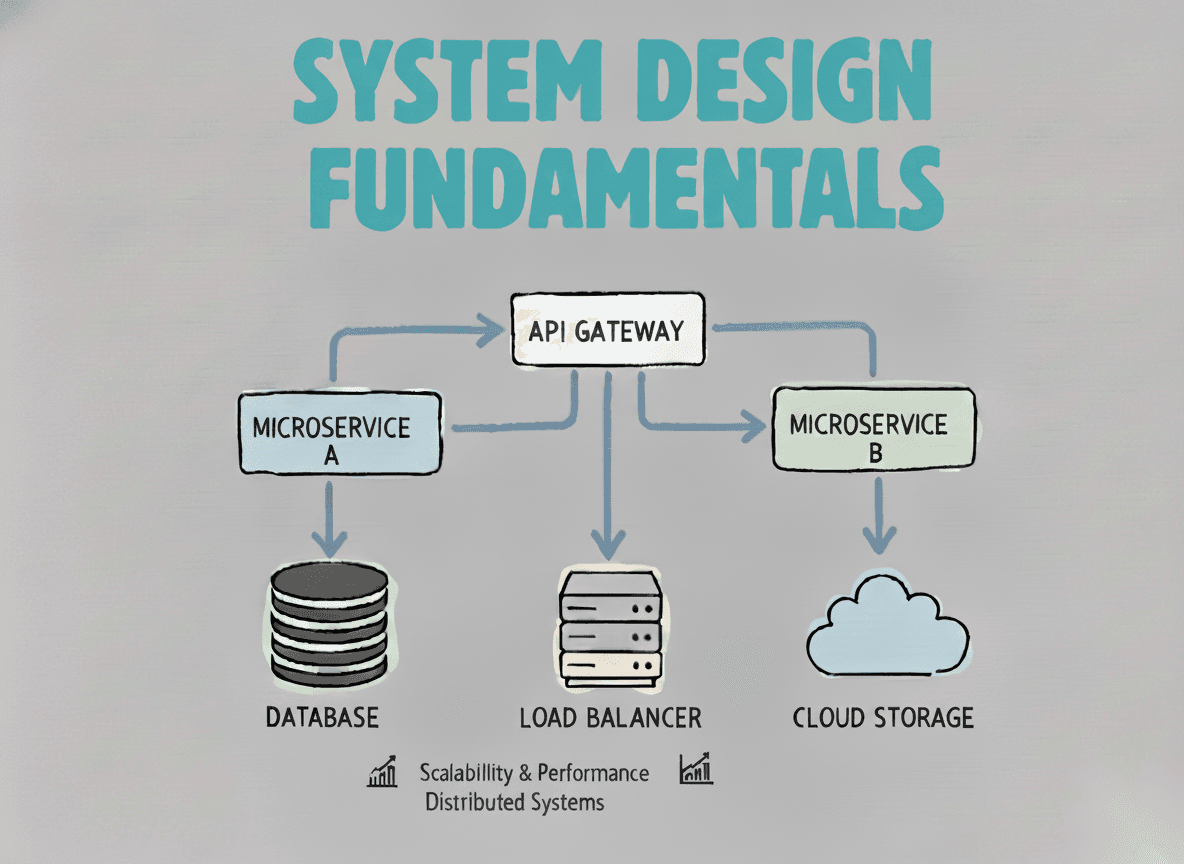
System Design Fundamentals
Build a strong foundation in designing scalable, reliable distributed systems.
View the courseTrack what you have practised
A free account saves your progress, solutions and study plan across every problem on Codemia.
System Design practice on Codemia
Work through 120+ system design problems with detailed solutions, from rate limiters to multi-region storage.