Converting Case Classes with params as Case Classes to Avro Message to send to Kafka
System Design practice on Codemia
Work through 120+ system design problems with detailed solutions, from rate limiters to multi-region storage.
In the world of modern data-driven applications, transmitting data efficiently between components, microservices, or systems is crucial. Kafka, a distributed event streaming platform, is often used for handling real-time data feeds. Serialization formats like Apache Avro provide a robust, schema-based structure to ensure data integrity and compatibility across different systems. Using Avro for data serialization in Kafka can be particularly advantageous when working with complex data structures, such as Scala case classes with nested case classes. This article deep-dives into converting these complex types into Avro messages that can be sent to Kafka.
Understanding Scala Case Classes and Kafka
Scala case classes are regularly used for creating immutable data objects, and they automatically provide sensible implementations of methods like hashCode, equals, and toString. These classes are especially useful for working with data in a functional style. Kafka, on the other hand, provides a framework for storing, reading, and analyzing streaming data. Integrating Scala case classes with Kafka involves serialization and deserialization processes, i.e., converting a case class into a format suitable for Kafka to process (serialization) and reconstructing it later from this data (deserialization).
Why Avro?
Apache Avro is a data serialization system that provides:
- A compact, fast, binary data format.
- A container file to store persistent data.
- Remote procedure call and simple integration.
- Rich data structures, including nested and complex types.
Avro uses a JSON format schema to define the data structures. These schemas are crucial for all data messages since they define the shape and the type of serialized data, ensuring all messages adhere to a defined standard.
Converting Nested Scala Case Classes to Avro
Step-by-Step Process:
- Define the case classes: Scala case classes can be straightforward or contain nested structures. For example:
- Create Avro Schemas: Each case class should have a corresponding Avro schema. This schema defines the expected format of the Avro message.
- Serialization Code: To serialize these nested objects, use Avro-specific libraries like
Avro4sthat allow serialization directly from Scala case classes to Avro binary formats. Here’s an example usingAvro4s:
- Sending to Kafka: Once the data is serialized to bytes, it can be sent to Kafka using Kafka producers, which are configured to handle byte arrays.
Key Considerations for Schema Management
- Schema Evolution: Avro supports schema evolution, allowing schemas to be updated without breaking existing systems.
- Schema Registry: Utilize a Schema Registry to manage and share schemas across different applications and services.
Summary Table
| Aspect | Consideration |
| Case Classes | Scala’s immutable data structures; ease data handling and transformations. |
| Serialization | Use Avro for a compact, schema-enforced format. |
| Kafka Integration | Send serialized bytes to Kafka Topics for real-time data processing. |
| Schema Management | Leverage Avro Schema Registry for maintaining schemas and ensuring compatibility. |
Conclusion
The integration of Scala case classes with Kafka via Avro serialization ensures robust, efficient, and scalable data communication. By adhering to schemas and utilizing schema registries, developers can prevent many common issues related to distributed data systems, thus maintaining data integrity and application stability.
Related reading
- Converting Message from RabbitMQ into string/json
- Copy/Migrate old zookeeper znode/data to new zookeeper
- Correct way of throttling kafka consumer messages in java
- Correlating in Kafka and dynamic topics
- Correlation Id errors for Kafka console producer and consumer
- Correlation Id in Apache kafka
- Cost of an unused Kafka topic/partition
- could kafka-connect distributed worker work with topic ''connect-offset'' with configuration ''cleanup.policy=compact,delete''
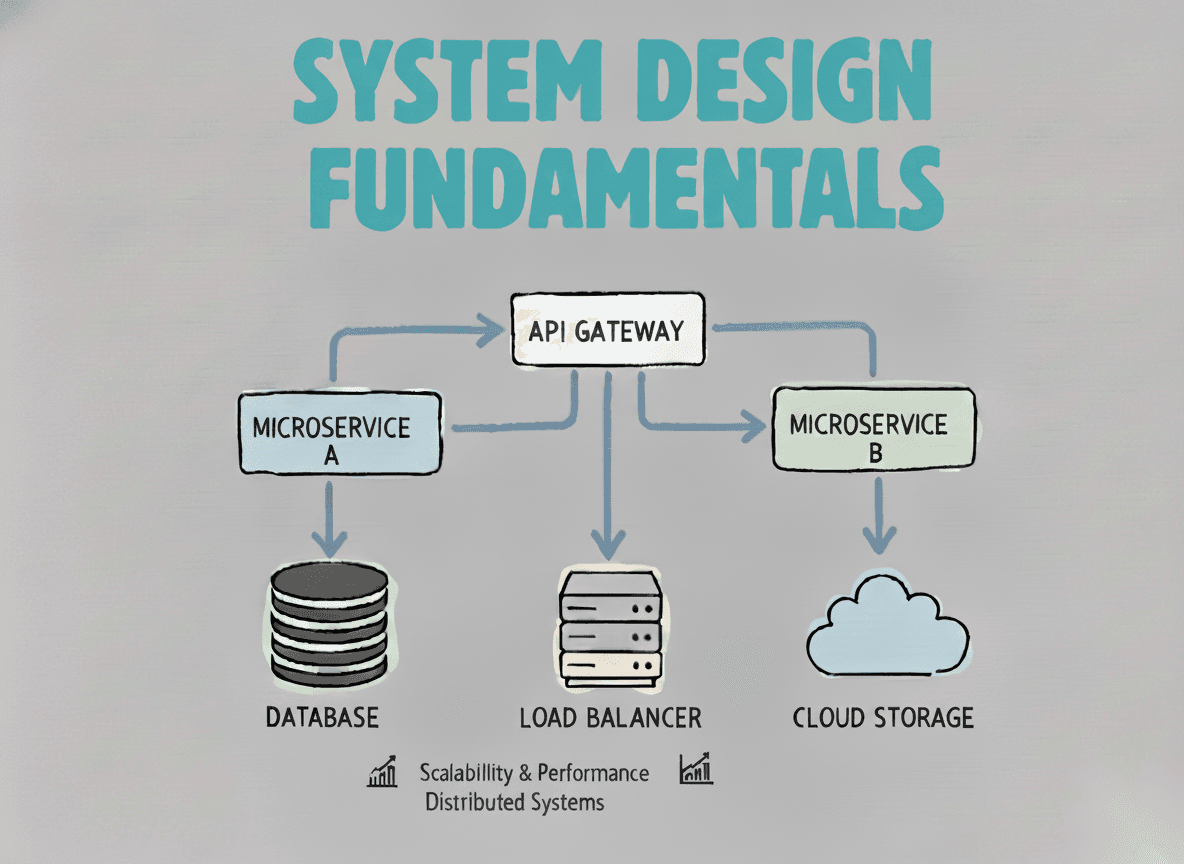
System Design Fundamentals
Build a strong foundation in designing scalable, reliable distributed systems.
View the courseTrack what you have practised
A free account saves your progress, solutions and study plan across every problem on Codemia.
System Design practice on Codemia
Work through 120+ system design problems with detailed solutions, from rate limiters to multi-region storage.