How to fix the Hibernate object references an unsaved transient instance - save the transient instance before flushing error
System Design practice on Codemia
Work through 120+ system design problems with detailed solutions, from rate limiters to multi-region storage.
The "object references an unsaved transient instance - save the transient instance before flushing" error in Hibernate is a common issue that occurs when your Hibernate application tries to save or update an entity object that has associated transient entities. To solve this error, it's important to understand the basics of object states, entity relationships, and Hibernate's cascading operations.
Understanding the Error
This error typically appears when an entity is being persisted or updated, and this entity has a relationship (like one-to-one, one-to-many, etc.) with another entity that is not yet persisted in the database (transient state). Hibernate, being unaware of how to handle this transient instance, throws the error asking for this related object to be saved explicitly.
Steps to Resolve The Error
- Identify the Association Causing the Error To begin fixing the error, you need to first identify which association is causing the problem. This typically involves the stack trace where Hibernate specifies the entity causing the issue.
- Understand Entity States and Their Transitions Hibernate manages entity states within a session. The key states are:
- Transient: The object has just been created and is not associated with any Hibernate
Session. - Persistent: The object is associated with a Hibernate
Sessionand there is a representation of it in the database. - Detached: The object was associated with a session, but now the session is closed.
- Use Cascading Operations Cascading is a convenient way to manage state transitions on related entities automatically. You can specify a cascading option in your mapping file (
@OneToMany,@ManyToOne, etc.) or through annotations. Here’s how you can apply it:
In the example above, cascading actions such as persist, merge, and delete will propagate from the parent entity to its children.
- Manually Managing the State If for some reason cascade options are not suitable, you can manage the state of the entities manually. For instance, before saving a parent entity, ensuring all its related child entities are saved:
Here, addChildEntity is a method on the ParentEntity class that manages the relationship.
- Check and Update Your Hibernate Configuration Sometimes, global settings in Hibernate can also affect how entities are saved or updated. Make sure your configuration settings like
hibernate.enable_lazy_load_no_transalign with your application’s data access patterns.
Summary Table
| Issue Component | Possible Solution |
| Unsaved transient instance | Implement cascading or manually save instances. |
| Insufficient cascading | Extend cascading options in entity relationships. |
| Configuration settings | Adjust Hibernate settings as needed. |
Additional Considerations
- Transactional Boundaries: Ensure that transactions are properly defined so that all related entity operations are within the same transaction boundary.
- Session Management: Incorrect session management can lead to various issues, including the transient instance error. Sessions should be opened and closed appropriately.
- Entity Design: Sometimes, redesigning the entity relationship model might help simplify the persistence logic and avoid such errors.
Conclusion
The "object references an unsaved transient instance" error is fundamentally about the state management of entity objects in Hibernate. By understanding the lifecycle of entities, leveraging cascading types effectively, and ensuring cohesive transactional operations, this error can be systematically resolved. Careful mapping and session management also play crucial roles in avoiding these errors in Hibernate applications.
Related reading
- How to fix the WARNINGs when running the redisalpine Docker image
- How to generate a create table script for an existing table in phpmyadmin?
- How to generate a ddl creation script with a modern Spring Boot Data JPA and Hibernate setup?
- How to get a list of MySQL views?
- How to fix the ''module java.base does not opens java.io to unnamed module '' error in Android Studio?
- How to fix the ''module java.base does not opens java.io to unnamed module '' error in Android Studio?
- How to fix The kubelet is unhealthy due to a misconfiguration of the node in some way required cgroups disabled error
- How to fix The TensorFlow library was compiled to use AVX512F instructions, but these aren''t available on your machine.
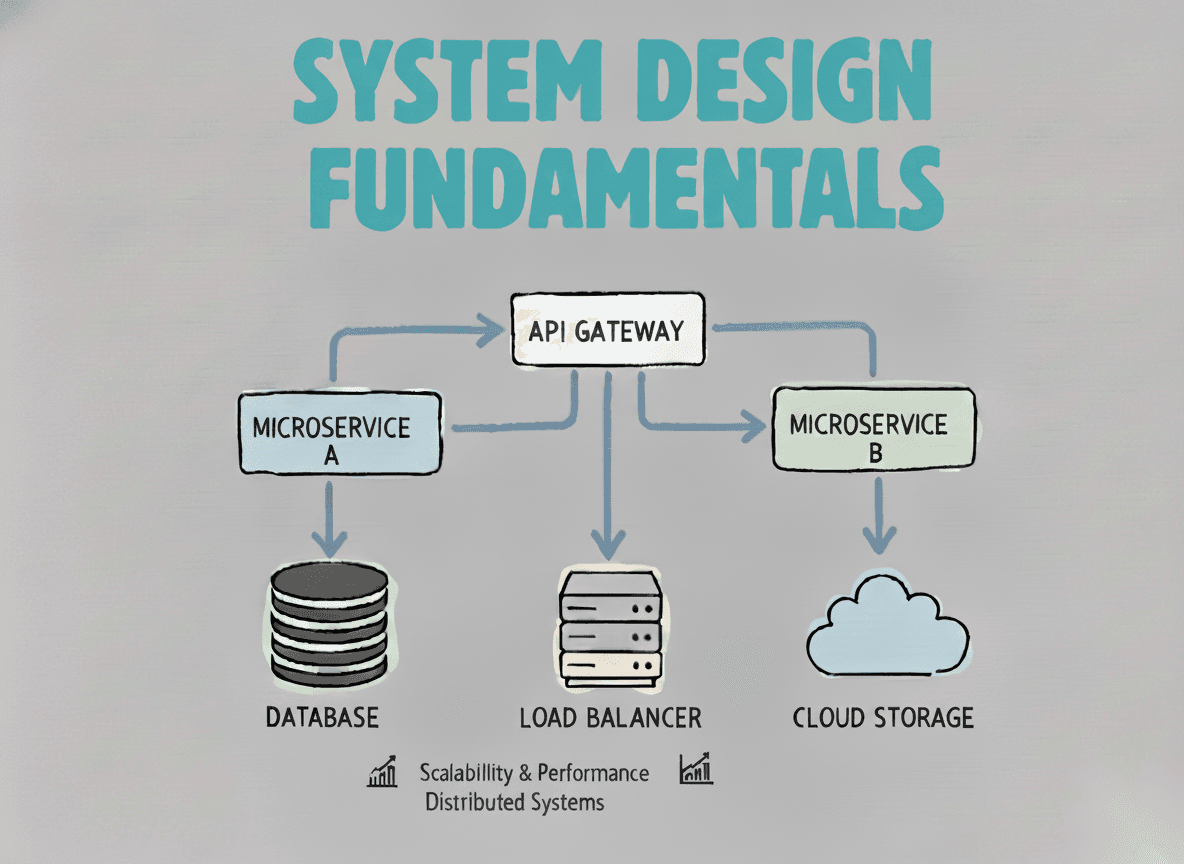
System Design Fundamentals
Build a strong foundation in designing scalable, reliable distributed systems.
View the courseSystem Design practice on Codemia
Work through 120+ system design problems with detailed solutions, from rate limiters to multi-region storage.