Is it possible to get the latest value for a message key from kafka messages
System Design practice on Codemia
Work through 120+ system design problems with detailed solutions, from rate limiters to multi-region storage.
Apache Kafka is a distributed streaming platform capable of handling trillions of events a day. One key aspect of Kafka is its ability to scale horizontally and maintain high throughput with low latency. When leveraging Kafka, users often face the challenge of retrieving the latest value for a specific message key from a stream of messages. This article explores the approach, possible challenges, and techniques to efficiently get the latest value for a message key from Kafka messages.
Understanding Kafka Storage and Data Retrieval
Kafka stores streams of records in categories called topics. Each record in a topic is assigned a unique offset. Kafka topics are subdivided into partitions, where each partition is an ordered, immutable sequence of records that is continually appended to. Partitioning allows Kafka to scale by distributing data across multiple servers.
Data in Kafka is key-value based, allowing records to be keyed for stream processing purposes. Here’s how data logistics work in Kafka:
- Producers publish records to partitions, optionally specifying a key.
- Consumers subscribe to topics and process records from partitions.
A key characteristic of Kafka is that records with the same key are sent to the same partition, and hence Kafka only guarantees order within a partition, not across partitions.
Retrieving the Latest Value for a Message Key
To retrieve the most recent value for a specific key, a consumer application can employ a few strategies based on the setup and requirements:
1. Log Compaction
Kafka offers a feature called log compaction which ensures that a log retains at least the last known value for each record key. In a compacted log, Kafka will automatically discard any records except the latest for each key within a partition.
The main benefits of using log compaction include:
- Efficient storage management, as it reduces the space required.
- Ensuring quick retrieval of the latest record for a key without scanning the entire log.
2. Consumer Application State Stores
Another approach involves using a state store within the consumer application to store the latest values for keys as they are received. This could be implemented using a database, a local in-memory store, or even Kafka’s Streams API, which offers native support for stateful operations.
Consumer applications can maintain a local store updated continuously as new records arrive, ensuring that the latest value for each key is immediately accessible.
Challenges with Retrieving Latest Values
- Scale: When the number of keys or the rate of message production is extremely high, maintaining an up-to-date view of the latest records for each key can become demanding in terms of processing power and storage.
- Latency: Depending on the method used, there might be a noticeable latency between the latest record's production and its availability in the consumer’s view.
- Partitioning and Order: Since Kafka guarantees order within a partition but not across them, care must be taken in scenarios where a key's messages might span multiple partitions.
Conclusion
In conclusion, Kafka provides mechanisms like log compaction and external state stores to manage and retrieve the latest values efficiently for each key. The choice of method largely depends on specific requirements like latency, throughput, and resource availability.
Summary Table
| Strategy | Advantages | Drawbacks |
| Log Compaction | Efficient storage; Fast retrieval of the latest record | Limited by Kafka's compaction cycle |
| Consumer Application State | Immediate access to latest record values | Requires additional storage and management |
Subtopics for Further Exploration
- Performance Tuning Kafka for High-throughput Use Cases: Adjusting broker settings and optimizing producers and consumers for better performance.
- Kafka Security Concerns: Managing authentication, authorization, and encryption in Kafka setups.
- Advanced Kafka Streaming Operations: Using Kafka Streams for more complex transformations and stateful operations.
Each method and its implementation can be tailored to meet different operational requirements, ensuring Kafka's flexibility and reliability in handling large-scale, real-time data streaming applications.
Related reading
- Is it possible to have one Kafka consumer thread per topic?
- Is it possible to integrate celery with Kafka
- Is it possible to log all incoming messages in Apache Kafka
- Is it possible to move / merge messages between RabbitMQ queues?
- Is it possible to obtain specific message offset in Kafka+SparkStreaming?
- Is it possible to publish multiple messages at once using the RabbitMQ client for C#?
- Is it possible to read from multiple partitions using Kafka Simple Consumer?
- Is it possible to ReKey a GlobalKTable?
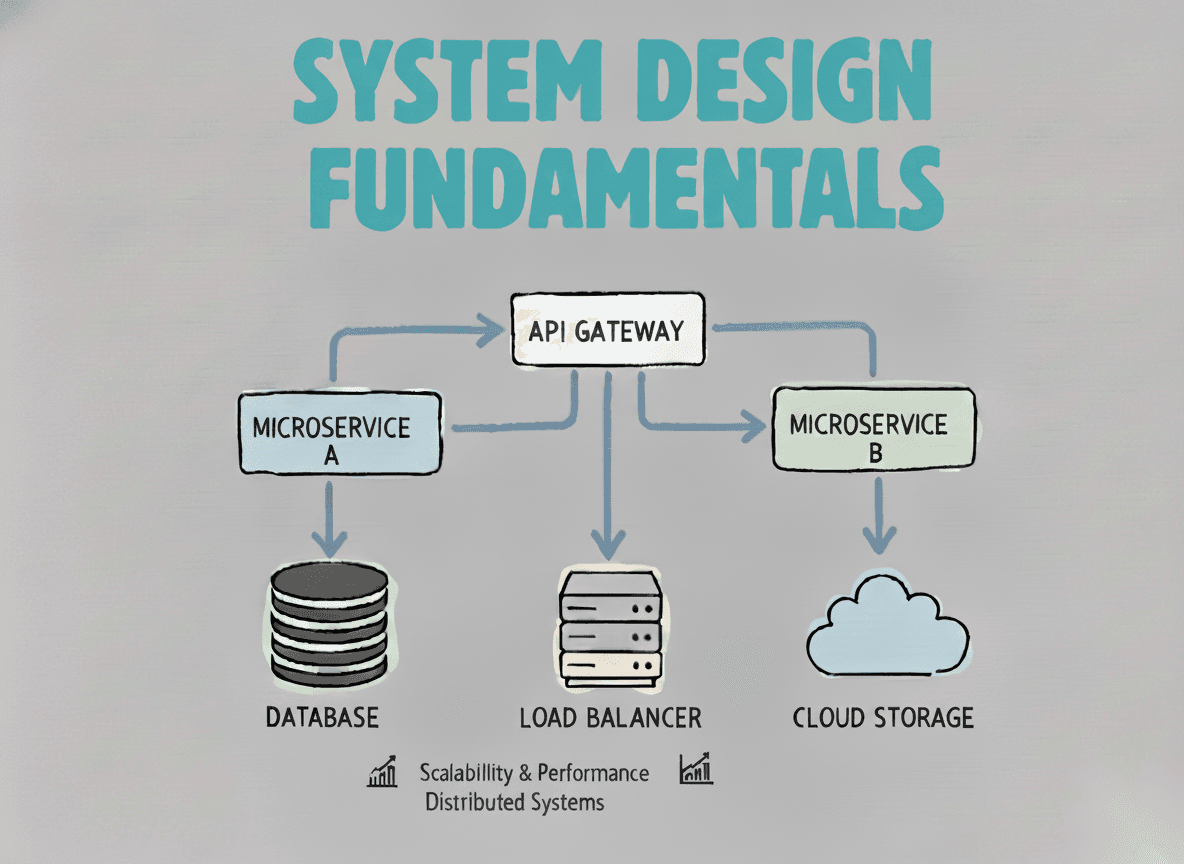
System Design Fundamentals
Build a strong foundation in designing scalable, reliable distributed systems.
View the courseSystem Design practice on Codemia
Work through 120+ system design problems with detailed solutions, from rate limiters to multi-region storage.