Not able to connect to kafka server on google compute engine from local machine
System Design practice on Codemia
Work through 120+ system design problems with detailed solutions, from rate limiters to multi-region storage.
Connecting to a Kafka server hosted on Google Compute Engine (GCE) from a local machine involves several networking and configuration steps. Kafka, a distributed event streaming platform, requires proper setup to ensure that it is accessible and secure when operated across the internet or within cloud environments like GCE. In this article, we will explore common issues and solutions for connecting to a Kafka server on GCE from a local environment.
Understanding Kafka Networking
Kafka uses a cluster of brokers to manage the publishing and subscribing of records. Each Kafka broker is identified by an IP address and a port number, commonly 9092 for plaintext connections. When Kafka is hosted on GCE, the network configuration must allow inbound and outbound traffic on the relevant ports and ensure that the broker's IP address is reachable.
Common Connection Issues
- Firewall Restrictions: Google Compute Engine has firewall rules that control incoming and outgoing traffic. If these rules do not explicitly allow traffic on Kafka’s ports, connections will be blocked.
- Internal vs. External IP: By default, a GCE instance will only expose an internal IP within the Google Cloud network unless configured otherwise. Attempting to connect to this internal IP from a non-Google network will fail.
- Broker Configuration: Kafka’s
server.propertiesmust reference an IP or hostname (advertised.listeners) that is accessible from the client’s network.
Step-by-Step Configuration for Kafka on GCE
Step 1: Set up Kafka on GCE
Assuming Kafka and Zookeeper are installed on your GCE instance, configure the Kafka server settings to include an external IP or hostname. Modify the server.properties:
Replace <External-IP> with the external IP address of your GCE instance.
Step 2: Configure GCE Firewall
Create a new firewall rule in GCE to allow TCP traffic on the Kafka port (default 9092):
Ensure to apply the kafka-server tag to your GCE instance:
Step 3: Test Connection Locally
From your local machine, test connectivity to your Kafka server using a Kafka client tool such as kafkacat:
Troubleshooting
If connection issues persist after the above configuration, consider the following troubleshooting steps:
- Network Latency and Firewalls: Verify that no intermediary firewalls or network policies are blocking the connection.
- Instance Settings: Confirm that the GCE instance has an external IP assigned and that it has correctly applied network tags.
- Kafka Logs: Check Kafka broker logs for any startup or connection errors. This can provide insights into misconfigurations or network-related issues.
Summary Table
| Requirement | Recommendation |
| GCE Firewall | Open TCP port 9092 for inbound traffic |
| Kafka Configuration | Set advertised.listeners to GCE external IP |
| GCE Tags | Apply kafka-server tag to GCE instance |
| Local Testing | Use kafkacat or similar tool to test connectivity |
Conclusion
Ensuring effective connectivity to Kafka running on Google Compute Engine requires careful setup of both Kafka configurations and GCE network settings. By correctly setting up external IP addresses, adjusting firewall rules, and configuring Kafka properties, you can achieve robust and secure connectivity between your local machine and your cloud-hosted Kafka brokers.
Related reading
- Not able to connect to wurstmeister/kafka
- Not able to create kafka topic using docker-compose
- Not able to delete topics from Kafka
- Not able to start kafka with .\bin\windows\kafka-server-start.bat .\config\server.properties cmd
- Not able to nslookup kubernetes.default
- Nothing is being detected in Tensorflow Object detection API
- Not Able To Create Pod in Kubernetes
- Not able to import the spark packages
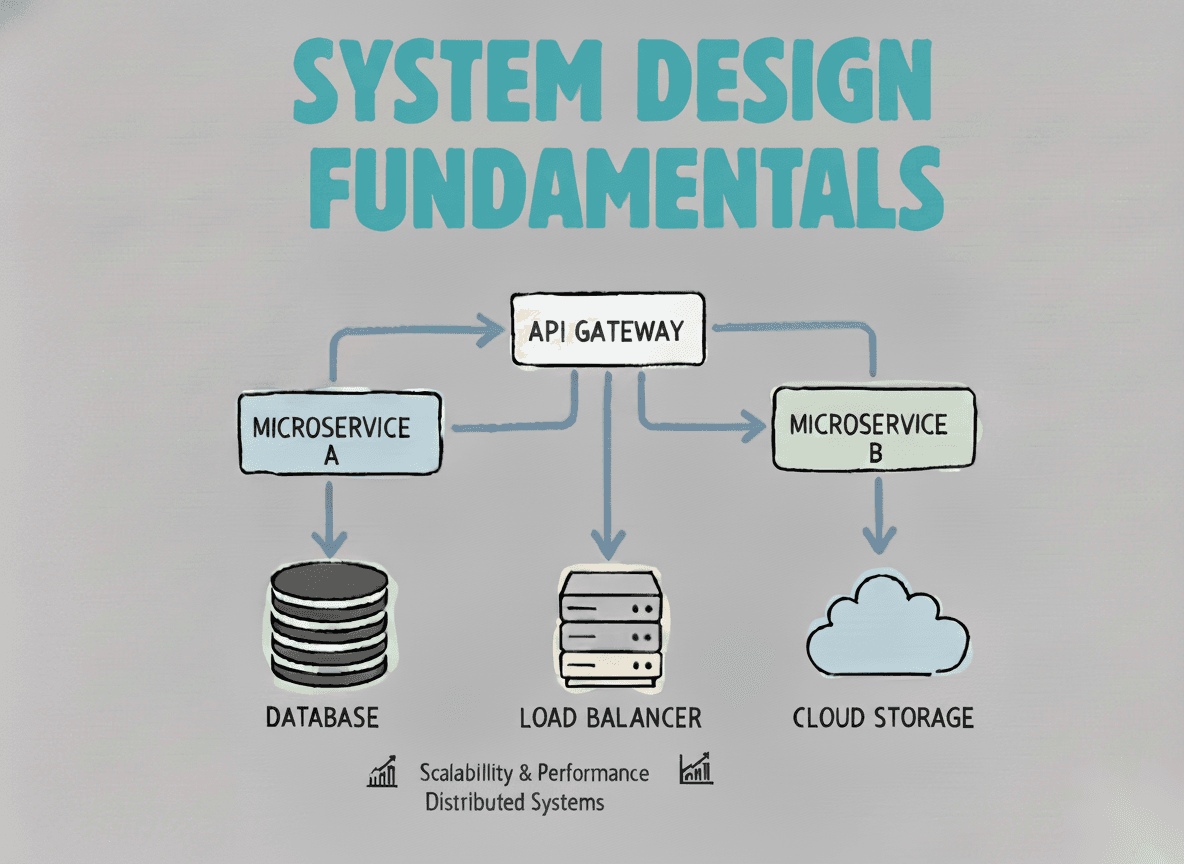
System Design Fundamentals
Build a strong foundation in designing scalable, reliable distributed systems.
View the courseSystem Design practice on Codemia
Work through 120+ system design problems with detailed solutions, from rate limiters to multi-region storage.