PHP RabbitMQ setTimeout or other option to stop waiting for queue
System Design practice on Codemia
Work through 120+ system design problems with detailed solutions, from rate limiters to multi-region storage.
PHP and RabbitMQ are two powerful technologies often used together in web applications for handling asynchronous tasks and improving the performance of web services. RabbitMQ acts as a message broker, queuing messages until they can be processed by a consumer, which is often a PHP script in web applications. However, managing how long a PHP consumer waits for messages in RabbitMQ can be crucial for system efficiency and resource management. This can be controlled using timeouts and other configurations available in PHP RabbitMQ libraries such as php-amqplib.
Understanding RabbitMQ with PHP
RabbitMQ is an open-source message broker that efficiently handles various messages sent from producers to queues. It is particularly useful in decoupling complex application architectures into simpler, smaller services. PHP interacts with RabbitMQ through AMQP (Advanced Message Queuing Protocol), and libraries like php-amqplib facilitate these interactions.
PHP consumers can subscribe to queues in RabbitMQ to receive messages. Once subscribed, the consumer might either run continuously or stop after processing a certain number of messages or after a certain period of inactivity, which brings the need for managing timeouts.
Implementing Timeouts in PHP RabbitMQ Consumers
When setting up a consumer in PHP using php-amqplib, you can manage timeouts in several ways. The primary methods include:
- Using
waitwith a Timeout: Thewaitmethod inphp-amqplibcan be used with a timeout parameter. This stops the consumer from waiting indefinitely for messages from the queue. - Using
basic_consumeandwaitwithout a Timeout (in a loop): This method involves setting up a loop wherebasic_consumeis called to register a callback function andwaitis called within each iteration of the loop, which can then be broken based on custom logic (like a timeout).
Example of Setting a Timeout:
In this example, the consumer will wait up to 10 seconds for messages in the queue 'hello'. If no messages are received in this period, the script will stop waiting and terminate.
Managing Resource Efficiency
Handling time efficiently is critical in managing server resources, mainly when dealing with high volumes of requests or large numbers of idle consumers. Implementing a proper timeout strategy can help:
- Reduce idle connections to the RabbitMQ server.
- Free up PHP processes for other tasks.
- Minimize memory and CPU consumption on the consumer server.
Summary Overview
| Feature | Description | Benefit |
| Timeout | Limits how long a consumer waits for messages. | Prevents indefinite blocking of resources. |
| Efficiency | Optimizes resource use and system responsiveness. | Enhances overall application performance. |
| Scalability | Manages multiple consumers and queues efficiently. | Allows smooth scaling of application components. |
| Error Handling | Integrates error detection within timeout handling. | Helps in maintaining robust message processing. |
Conclusion
Managing timeouts in PHP RabbitMQ consumers is essential for developing robust, scalable, and efficient applications. By leveraging library functions like wait with timeouts, developers can control how long consumers listen for messages, thereby optimizing resource utilization and ensuring that the system remains responsive even under heavy load. Implementing timeouts appropriately requires a good understanding of the application's requirements and the expected message volume. Thus, tuning these parameters is crucial for achieving optimal performance and reliability.
Related reading
- Pipe Events from Azure Event Hub to Azure Service Bus
- Pitfalls with local in memory cache invalidated using RabbitMQ
- Pivot Kafka KTable results using flatMap
- Poll Interval for Kafka Connect SourceTask
- Pick a random element from an array
- Picking a random element from a set
- Poor performance of log4j2 in combination with Kafka
- Poor performance with Spark streaming, Kafka and multiple topics
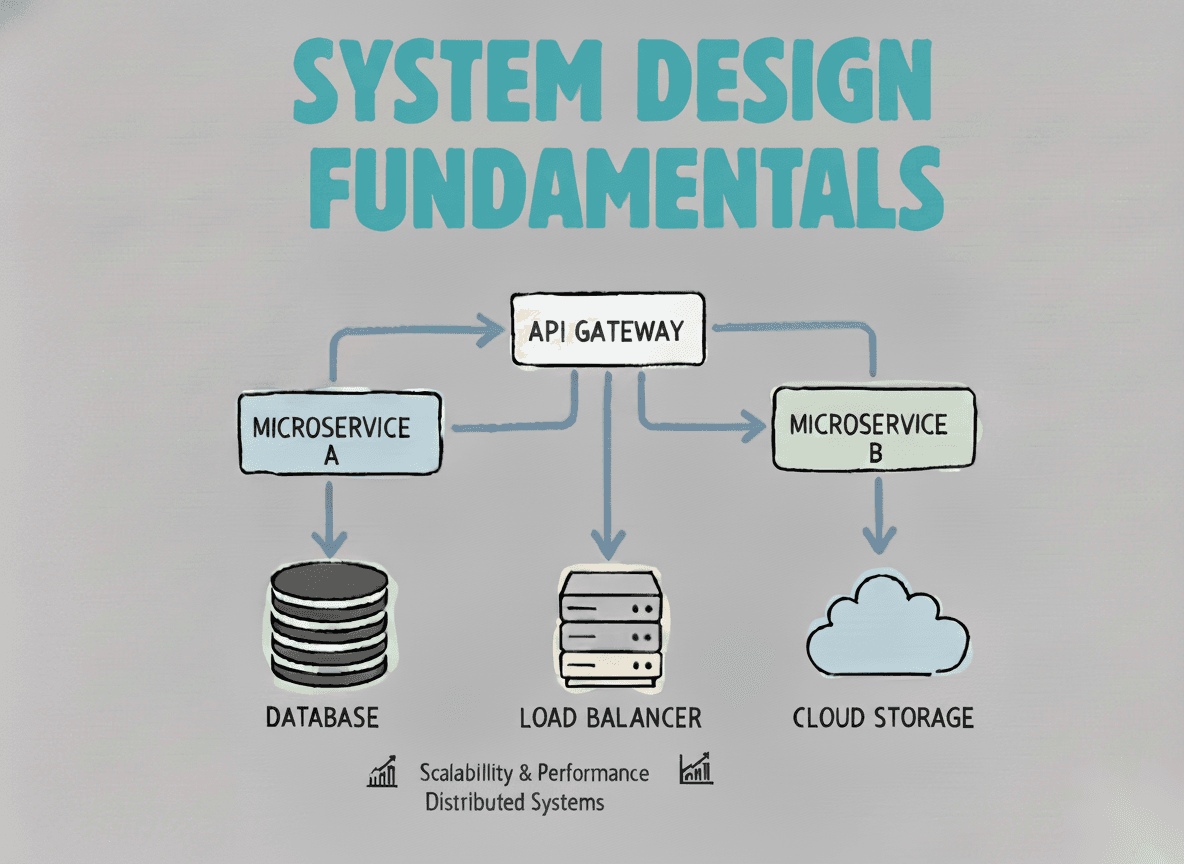
System Design Fundamentals
Build a strong foundation in designing scalable, reliable distributed systems.
View the courseSystem Design practice on Codemia
Work through 120+ system design problems with detailed solutions, from rate limiters to multi-region storage.